
 619-346-4546



Musika Quick Stats
25 Years
Since We Started
41,456+
Happy Customers
10,769
Cities with Students
3,123
Teachers in Network
Lesson Special - Up to 20% OFF! Get Started Now with a Risk-Free Trial!
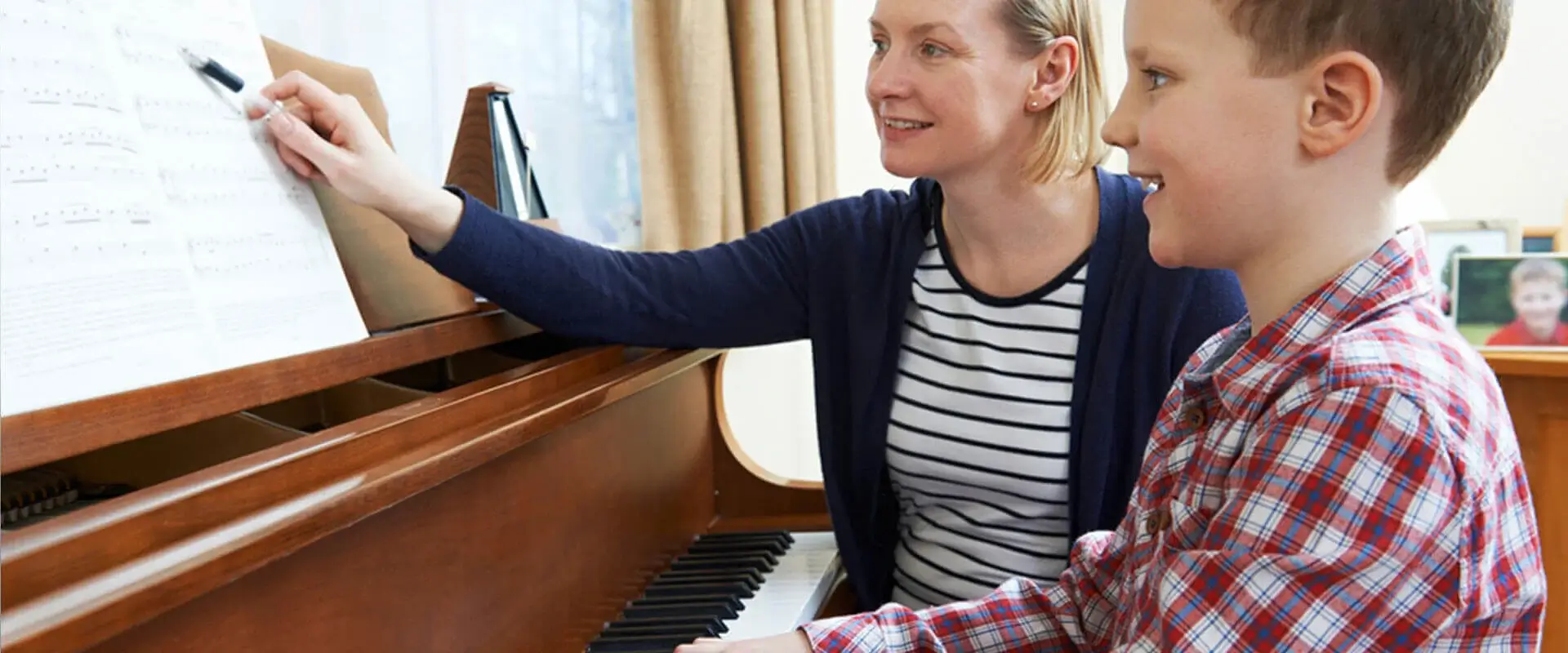
Here are just a few of the many teachers offering Piano lessons in Escondido . Whether you are looking for beginner guitar lessons for your kids, or are an adult wanting to improve your skills, the instructors in our network are ready to help you now!
Instruments: Piano Guitar Trombone Bass Guitar Banjo Ukulele Double Bass Classical Guitar Acoustic Guitar
I have experience teaching high school marching band with the low brass section. I have also taught for various drum corps. I mainly specialize in preschool aged students. I have been a preschool music teacher for 3-4 years and I even taught at a preschool for about a year. Music is focus in life I am also very good with children. I was raised to play many instruments and also to teach preschool students. Read More
Instruments: Piano
To summarize, I believe music should be something enjoyable and become a passion or hobby. I wish to connect with the student in my wonderful musical experience and hope that he or she will enjoy the journey of improvement and sharing in his or her life. I will do all in my ability to empower the student and ensure that he or she can successfully enjoy a musical background that will be a part of his or her life. Read More
Instruments: Piano Voice Keyboard
When I teach, I try to make students learning simple and easy as possible. I will not make it more complicated. I am here to help/make it easier after all. I will also inspire and encourage student to learn and get better by demonstrating. I am the cheer leader for my students and we learn together. I am patient and supportive. Sometimes, I get very surprised how my students improved so fast. Read More
Instruments: Piano Violin
Every student is different, and learns at their own pace. With that being said, I find it important to devise lesson plans that are personal and cater to students individually. I try to always stay positive with young students but at the same time, push them to give their best effort on their instrument. I try to find out what inspires young students so that I can form lesson plans that addresses their aspirations. Read More
Instruments: Piano Organ
We work together to learn how to practice, and how to play, whatever music you like. I can help you find music that you enjoy, and for some students I create new arrangements of songs they like, at their level. I also have composed pieces that sometimes help the learning. I try very hard to show you how to practice. Instead of focusing on whether a mistake was made (you will know that!), I like to focus on the proper form and technique of playing. Read More
Instruments: Piano
Ms. Kate is focused of developing student's joy of playing music. She chooses materials which suit each student's interest. She incorporates various activities so that students can enjoy their lessons. These activities include drawing, coloring, dancing, singing, etc. This helps to boost students progress and motivation. She also encourage students' performance in recitals - formal, informal, or even for family and friend. Recitals are great to boost students' confidence and self esteem, which is great not only in music education but for students' life. Read More
Instruments: Piano
What advice do you have about practicing effectively?
Practice a piece separate into different sections: technical challenging part, rhythm challenging part, themes, mood change, pedaling and etc. The concept is like doing oil painting, adding layers by layers. First, separate each layers, practice until 80 percent satisfaction. Then, do two or three layers together, like: rhythm with technical challenging part, mood changes with pedaling. Add more layers together practice toward the goal. At last, combine all these layers, and paint the perfect "picture".
Some students tend to practice from the beginning to the end. This will result in the beginning is better than the rest which can cause unbalanced situation for future.
Listening and recording is also another important factor in practicing, record yourself and you will find so many blind spots which you didn't realize when you practice.
How do I know if my child is ready to start lessons?
According to the research, the best time to start lessons are between 6-9. In my personal opinion, it's better for a child to start lesson when the child already knows the alphabet. It's important because they need to at least know the letters in order to know the notes names.
During that time period, children already has stepped into school, they learn how to sit down and pay attention consistently for a while. Being able to sit down and pay attention for at least half a hour is basic for piano practicing.
It's ideal for parents to give the child musical environment and atmosphere in the preschool years. It's one of the early ways of nurturing children's sense of music.
Why did you choose your primary instrument?
One of the greatest gift from my parents is allowing me to start as a pianist. Personally I consider piano is the greatest instrument ever invented in human history. It is passionate and intense yet very logical. It's the most healing instrument yet not too overwhelmingly emotional. It's a lonely instrument yet not so lonely because it can be an orchestra by itself. It is complicated and challenging to the most extent of an instrument can be. There are uncountable literature written for solo piano and collaborative piano.
Piano is also a good instrument to develop coordination between left and right hand.
What do you think is the hardest thing to master on your instrument?
I would consider the part of being a performer to connect with the audience. No matter how hard you've tried and prepared for the performance, I always wonder how I can build connection with my audience. If you play for audience who don't know music, it's even harder to connect with them. And most people just interested in listening to the piece whether is smooth or not to determine if the performance is good. It's sometimes really kind of frustrated to see what you've been working so hard but people don't even care enough to understand. But the more performance I play, I find that I can just play the piece like telling a story, not too overdone the drama, it appears to be the most natural way of expression. My teacher told me as long as you convey the musical interpretation through fine expressions then your audience will get it.
What is your dream piece to perform and why?
Rachmaninoff
25 Years
Since We Started
41,456+
Happy Customers
10,769
Cities with Students
3,123
Teachers in Network
Trusted as the industry leader, for over 21 years the teachers in our network have been providing Piano lessons in Escondido to students of all ages and abilities.
We'll then reach out to the teachers for you.
Schedule the risk-free trial lesson directly with the teacher.
Continue with that teacher or try someone else.