
 310-935-4532





Musika Quick Stats
25 Years
Since We Started
41,456+
Happy Customers
10,769
Cities with Students
3,123
Teachers in Network
Lesson Special - Up to 20% OFF! Get Started Now with a Risk-Free Trial!
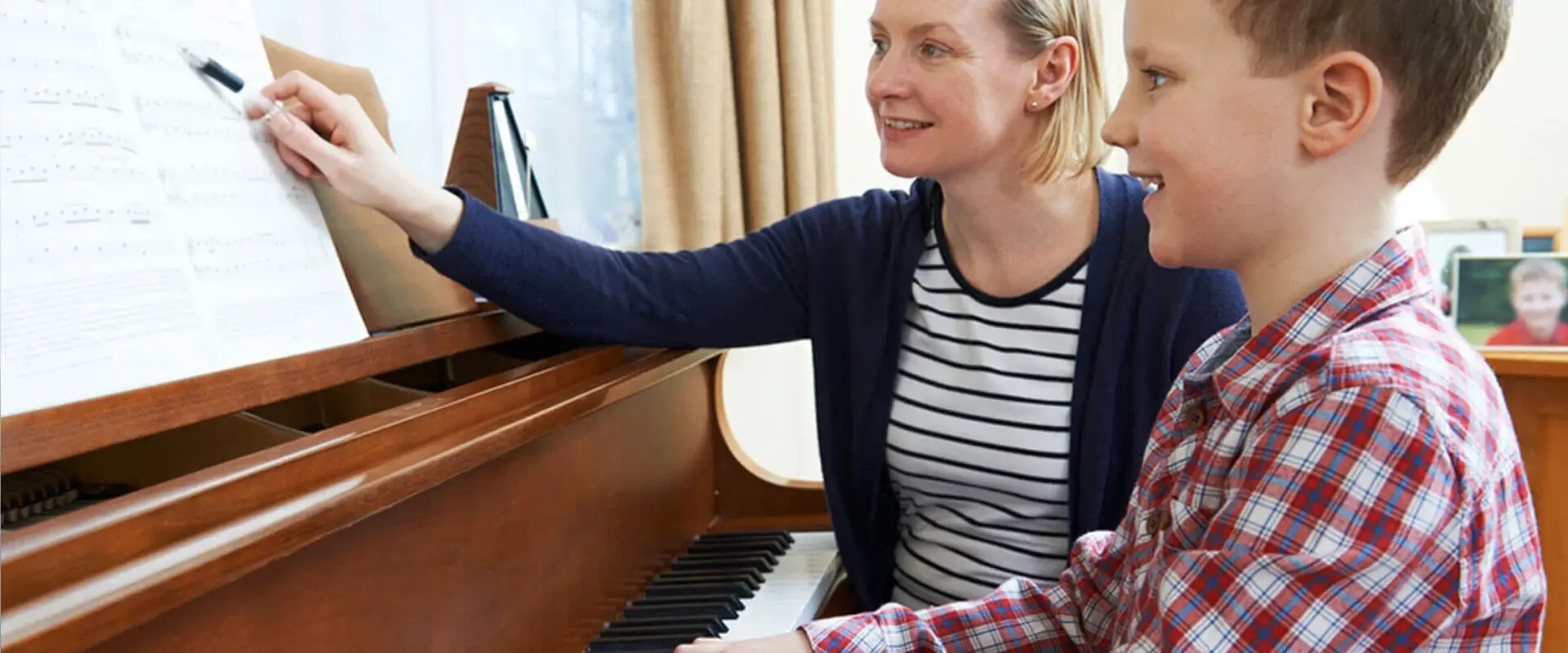
Here are just a few of the many teachers offering Piano lessons in Lakewood . Whether you are looking for beginner guitar lessons for your kids, or are an adult wanting to improve your skills, the instructors in our network are ready to help you now!
Instruments: Piano Guitar Voice Drums Bass Guitar Mallet Percussion Orchestral Percussion Conga Latin Percussion
I have been teaching with Musika since 2005, and have been doing private instruction since 1987. I am on the active artist's roster for Cirque de Soleil. I have performed in just about every music venue and university in the Los Angeles area, done a variety of Ivy League tours with Bali and Beyond gamelan ensemble. Read More
Instruments: Piano Flute
Yaocheng is a graduate of Northwestern University - School of Music and San Francisco Conservatory of Music. She has been under the tutelage of world-renowned pianists James Giles, Emilio Del Rosario, and Carol Rich. She has been concerto soloist in regional orchestras and also served as accompanist for many soloists in her career. In addition to her diverse musical background, she also has experience in a diversity of styles: classical, gospel, jazz, Latin, pop, and general improvisation. Read More
Instruments: Piano Flute Music Keyboard
Practice expectation is 30-45 minutes per day, 5-6 days per week. YEARS 6-8: LATE INTERMEDIATE/EARLY ADVANCED LEVEL Students who stay in lessons for this long have a skill set that sets them up for the rest of their lives. There is a level of mastery achieved that allows for incredible freedom to learn whatever one might want; Classical, Jazz, Pop, or otherwise. Student music requests are expected. At this stage, students may need to make choices about how to spend their time. Read More
Instruments: Piano Voice
I have been teaching private music lessons for 2 and a half years to students from ages 4 to 50. I've had over 15 years of performance experience, in various settings in both in piano and voice, that I apply to each of my lessons. Read More
Instruments: Piano Guitar Voice Flute Drums Ukulele Recorder Music Keyboard
I have been teaching music lessons since I was a child when I started teaching my sisters how to sing. I have always enjoyed connecting with people through music and watching them blossom from the inside out. I have been a touring musician since I was 17 years old. I have many live performance, recording, live radio and TV performances and interviews that give me a wealth of knowlege to share with students that are aspiring Rock Star's to be. Read More
Instruments: Piano Voice Acoustic Guitar
For my students, I like to see what type of music they are interested in and listen to a few of their favorite songs. From there we can learn chords (guitar, piano) and melodies for vocal lines. We could go the route of learning scales and theory, but since I didn't grow up learning that way, I'd prefer to go the more modern way by learning strumming patterns, chords, inversions, melodies and harmonies, and teach dynamics to make a song come together. Read More
Instruments: Cello Music
If you have a Music Degree, what is it in (Performance, Education, Musicology, Theory, Composition, etc) and why did you choose that degree?
I have a Masters Degree in Cello performance and a Bachelor's Degree in Cello Performance. Both these degrees focused on the study of playing the advanced-professional cello. I picked the cello out when I was 10 and ever since then, I never looked back because this is the instrument for me.
What is your dream piece to perform and why?
There is a beautiful piece composed Ernest Bloch entitled "The Prayer", absolutely beautiful. This piece is gorgeous on the cello and after learning it several years ago, I would love to perform it at some time. I might have an opportunity to play this piece this year.
This piece depicts the calm and quietness of the Jewish people. He wrote this piece for Hans Kindler, with the intent to capture the Jewish spirit and soul.
What does a normal practice session look like for you?
Assuming this question is truly about practicing and not a lesson. Then practicing should involve slow and thorough practicing by reading the correct notes, knowing which finger needs to be associated with the note. This should be done every day in order to learn each note. then on the 3rd day playing the entire piece. At this point, if you have some errors, isolate what is the problem, fix that problem after 5 times. Then back up one measure and try playing two measures together. If your problem is fixed then you practiced correctly. After this point, start from the beginning and your problem should have been resolved.
Do you use specific teaching methods or books? (Ex: Alfred, Bastion, Suzuki, Hal Leonard) Why did you choose them if you did?
Yes I use String Builder by Applebaum. This book is very helpful because it is a step by step method, that way there is a logical order in which the student learns. There are other books such as Alfred, Hal Leonard, or Suzuki, but I am very happy with the String Builder.
What do you think is the hardest thing to master on your instrument?
I think the technique of learning how to vibrato is the toughest part of the learning process. It requires a lot of patience and due diligence of practicing. The process is slow and ugly sounding, but if done right it sounds great.
Have any of your students won awards or been selected for special honors? How have they succeeded?
I have two high school students who have won scholarships from Music Teachers Association where each received $300 towards private lessons. These same students are now in their 1st year of college and continue to play at the community level. In addition, one of my students played a solo piece with my orchestra 2 years ago when she was only 15.
25 Years
Since We Started
41,456+
Happy Customers
10,769
Cities with Students
3,123
Teachers in Network
Trusted as the industry leader, for over 21 years the teachers in our network have been providing Piano lessons in Lakewood to students of all ages and abilities.
We'll then reach out to the teachers for you.
Schedule the risk-free trial lesson directly with the teacher.
Continue with that teacher or try someone else.