
 916-273-4812





Musika Quick Stats
25 Years
Since We Started
41,456+
Happy Customers
10,769
Cities with Students
3,123
Teachers in Network
Lesson Special - Up to 20% OFF! Get Started Now with a Risk-Free Trial!
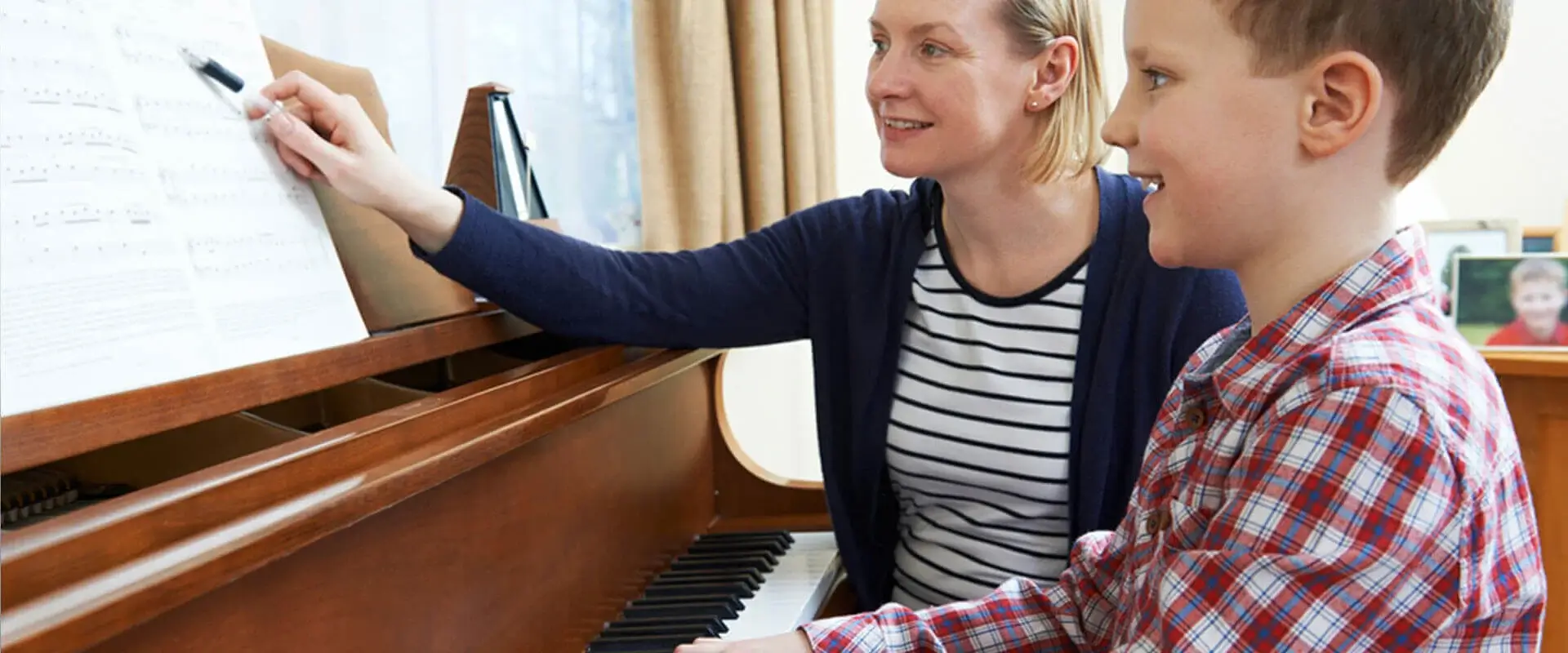
Here are just a few of the many teachers offering Piano lessons in Citrus Heights . Whether you are looking for beginner guitar lessons for your kids, or are an adult wanting to improve your skills, the instructors in our network are ready to help you now!
Instruments: Piano Voice Trombone
I believe lessons should be fun and engaging. I believe the most improvement in a student comes from practice time, so my goal as a teacher is to show the student how to practice most effectively by applying what they learned in their lessons in their practice sessions. If it is all right with them, we can record the lesson so they can go back and watch. As a teacher, I believe it is important to be positive and supporting, giving constructive criticism guide the student to play better while also boosting the student's confidence. Read More
Instruments: Piano
I analyze each individual student. I design a plan according to their needs. I give students arrangements of pieces that they will be inspired to play. A lot of my teaching is based on some of the great teachers that I studied with in the past. I am 59 years old and currently teach in the San Diego area. I have been teaching for 40 years. I was playing professionally in the Chicago area when I was 16 years old. Read More
Instruments: Piano Voice
I love watching my students develop their passion for music! And so, I do my utmost to challenge each student as much as possible at their own pace. We will set goals for the students in every lesson. Hitting certain milestones help the students to feel motivated, and want to push themselves more. Each student is different and so they learn differently, I do my best to learn from the student and tailor my teaching style to their particular learning style. Read More
Instruments: Piano Guitar Voice Drums Bass Guitar Conga Electric Guitar Djembe Classical Guitar Acoustic Guitar
No matter the skill level, I like to keep my curriculum concise, applicable, and easy for all students to understand. I begin with a crash course in music fundamentals to give students a classical understanding of their playing, reading, and writing techniques. Next, I teach them scales, chords, and playing techniques that correlate with their level of playing and music comprehension. Once they have mastered said curriculum I teach them songs that they are genuinely interested in. Read More
Instruments: Piano Voice Organ Synthesizer Keyboard
Smiley has studied piano since the age of 5 and has been fortunate to study with the Carl Wheeler the musician who wrote and played for Tony Toni tone, as well as Beyonce and high profile headliners. Smiley has played for celebrity singers including Carlos Santana, comedian Tommy Davidson, as well as John Witherspoon. He a Degree in music from the University of Berklee, and has taught piano and voice since 2005. he enjoys working with people and uses his patience and perceptiveness to communicate music to others. Read More
Instruments: Piano Guitar Bass Guitar
For Piano lessons I run through the Primer - Level 3 Faber Piano Lesson books, along with techinque books, and songs that students personally want to learn. For beginning to intermediate guitar players, I would suggest learning some of the fundamentals and basics from Hal Leonard's Guitar Method Complete Edition - Books 1 2 and 3 (bound together in one volume). As the student develops a better understanding of music and a better ability to play it, I would then work on finding them a piece of music that challenges their knowledge and technique, yet also a piece of music that they would want to play, and that they would be passionate about learning. Read More
Instruments: Piano Guitar Voice Bass Guitar Synthesizer Ukulele Keyboard Electric Guitar Classical Guitar Acoustic Guitar
Hi, my name is Dave and I am a DJ, guitarist, vocalist, remixer, and producer. I attended the Berklee College of Music in Boston, Massachusetts, and received BMs in Songwriting and Music Synthesis. I've appeared on the commercially released CD titled Cyberfest 2000: Sounds of the Digital Revolution, Volume 1 along with DJ Dan, Moby, Mix Master Mike, BT, Paul Oakenfold, Paul Van Dyke, Carl Cox, and Christopher Lawrence. In 2002, I appeared again on the Epic Records release Shekinah: 13 Artists. Read More
Instruments: Violin Viola
How do I know if my child is ready to start lessons?
Determining if your child is ready to start lessons, whether it's for music, sports, or any other skill, involves considering several factors. Here are some key indicators to help you assess their readiness:
1. Interest and Enthusiasm: Is your child showing a genuine interest in the activity? Do they express excitement or curiosity about learning it? Eagerness is a positive sign.
2. Age-Appropriateness: Consider your child's age and developmental stage. Some activities may have age recommendations, so make sure your child is within the suggested age range.
3. Attention Span: Assess your child's ability to focus and concentrate. Most lessons require a certain level of attention and patience. If your child can sit still and pay attention for the duration of the lesson, it's a good sign.
4. Physical Readiness: Depending on the activity, your child may need certain physical abilities or coordination. For example, they should be able to hold a pencil if they want to start drawing or be able to handle a musical instrument properly.
5. Emotional Readiness: Consider your child's emotional maturity. Are they able to handle constructive criticism and setbacks without becoming overly discouraged or frustrated?
6. Responsibility: Some activities require regular practice and commitment. Assess whether your child is responsible enough to follow through with lessons and practice routines.
7. Support from the Child: Ideally, your child should express a desire to learn and participate in the activity. Their enthusiasm and willingness to attend lessons and practice are good indicators.
8. Parental Support: Evaluate your own readiness and willingness to support your child in their chosen activity. Are you prepared to provide the necessary resources, transportation, and encouragement?
9. Time Commitment: Consider your family's schedule and whether you can realistically accommodate the time required for lessons, practice, and any related activities or competitions.
10. Consult with Professionals: If you're uncertain, it's often a good idea to consult with professionals or instructors who specialize in the activity your child is interested in. They can provide insights and recommendations based on their expertise.
Remember that every child is unique, and readiness for lessons can vary widely from one individual to another. It's essential to support your child's interests and aspirations while being attentive to their individual abilities and needs. Starting with a trial or introductory lesson can also help you gauge their readiness and interest in a particular activity before committing to a long-term schedule.
25 Years
Since We Started
41,456+
Happy Customers
10,769
Cities with Students
3,123
Teachers in Network
Trusted as the industry leader, for over 21 years the teachers in our network have been providing Piano lessons in Citrus Heights to students of all ages and abilities.
We'll then reach out to the teachers for you.
Schedule the risk-free trial lesson directly with the teacher.
Continue with that teacher or try someone else.