
 817-349-7323




Musika Quick Stats
25 Years
Since We Started
41,456+
Happy Customers
10,769
Cities with Students
3,123
Teachers in Network
Lesson Special - Up to 20% OFF! Get Started Now with a Risk-Free Trial!
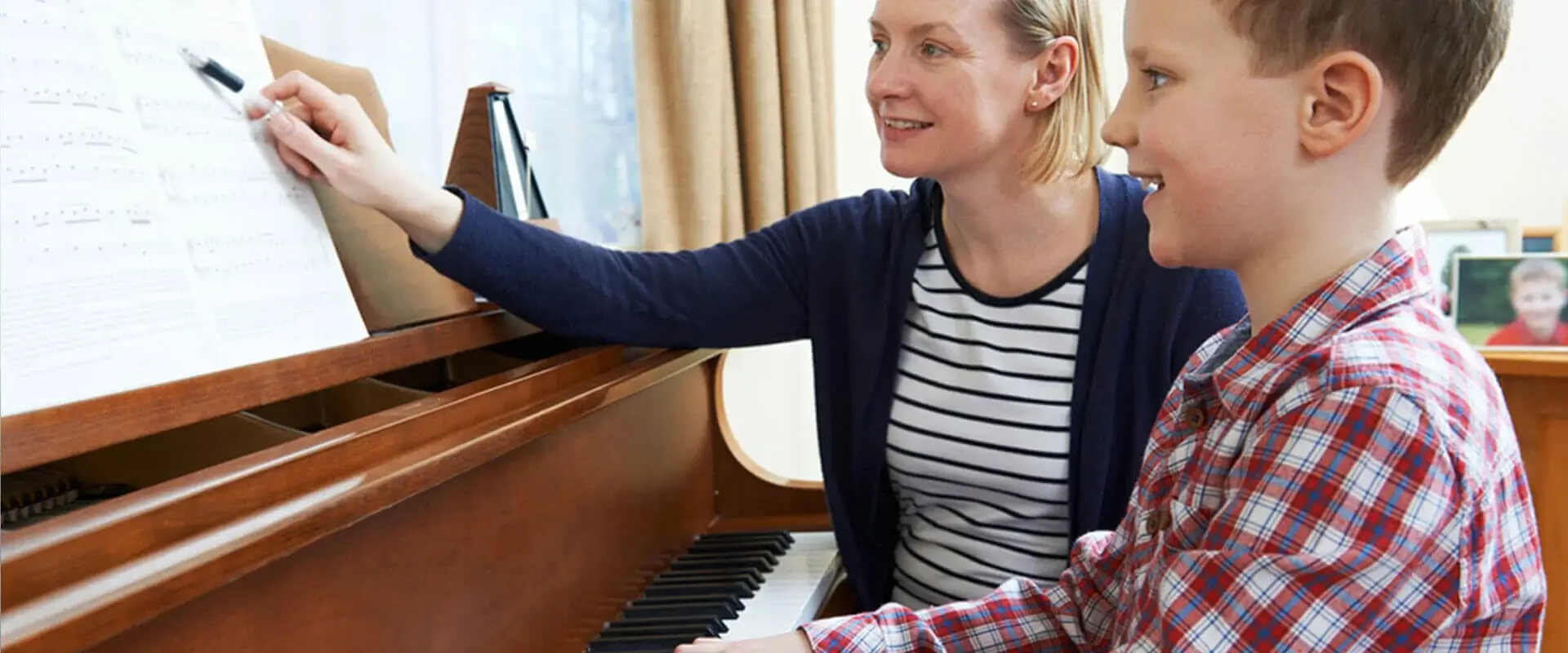
Here are just a few of the many teachers offering Piano lessons in Arlington . Whether you are looking for beginner guitar lessons for your kids, or are an adult wanting to improve your skills, the instructors in our network are ready to help you now!
Instruments: Piano Guitar
I am very passionate about music and believe everyone can learn some music. I enjoy many different types and styles of music, I earned my associate of arts from eastfield college before finding double majoring at Cedar Valley College. I have played in several ensembles and a few different rock bands in my time. I am pursuing my Bachelor's degree from University of Texas at Arlington. I have studied many different instruments like Piano, Guitar, Violaand Vibraphone. Read More
Instruments: Piano
My method of teaching puts emphasis on the keyboard fundamentals that develop sound piano technique. I use a systematic approach in which the student progresses from their present level, whatever it may be, beginner, intermediate, or advanced, to their next level in a reasonable time. For students at the beginning or intermediate-beginning levels, I would choose from the Faber, Albert, Leonard, or Thompson piano methods. I always give the student after each lesson a method of practice for the music/lessons required. Read More
Instruments: Piano Guitar Trumpet Trombone Bass Guitar Music Keyboard Electric Guitar Acoustic Guitar
I believe in learning the fundamentals but I believe that experience should be enjoyable. That's why we "play" music in the first place! This can mean different things to different students but a focus on positive reinforcement and encouragement toward specific musical goals will always be the guiding factor in my approach. I also encourage students to take ownership of the musical skills learned by experimenting with composition and improvisation. Read More
Instruments: Piano
I'm a passionate and motivated instructor who loves working with students and sharing my love of music. In 2008, I graduated from DePauw University with a Bachelor of Music degree in Piano Performance. In 2014, I graduated from Southwestern Baptist Theological Seminary with a Master of Music degree in Church Music. I love to teach and see my students come to love music just as I do. Read More
Instruments: Piano
One of the things I love about teaching is watching my students grasp the musical concepts I teach, as well as see how they all relate. Each student progresses at their own pace, some faster, some slower than others. I tweak my teaching style to meet each student's unique abilities, so as to assist them in reaching their potential. Together with teaching my students the basic concepts of music, I also work with them on musical concepts and types of music that they are interested in. Read More
Instruments: Piano Trombone
When learning to play an instrument, I believe it is important to start at a slow pace to make sure students comprehend all of the musical elements. To all of my students, I will treat them with kindness and honesty. Honesty is important as a teacher because my goal is to help students find where they can grow and show them ways to do so. For all of my students, I expect them to practice each day and put all of their attention to refining their art. Read More
Instruments: Piano
I have been teaching piano and music theory since 1984. I worked with children between the age 6 and 18 years. My students are also encouraged to have recitals at the end of the year. I organize activities such as concert, performance, and exams. I use my pedagogical skills to achieve the best education for students in my classes. Read More
Instruments: Piano Voice Organ Music Keyboard
Why did you choose your primary instrument?
I was 7 when my Dad put a keyboard before me and I have been hopelessly hooked every since.
Did you have a teacher that inspired you to go into music? How did they inspire you?
Not a teacher, but my Father. I was 7 years old when he placed a keyboard in my hand and it never departed thereafter. When I was 9, I took my babysitting money and paid for my own private lessons and walked 4 blocks each week to get to them. When I was 13, I started working at a nursing home afterschool and on weekends, and paid $1300.00 for my very own Kwai Organ. I loved singing and playing. However, my father always said it was not a good way of making a living or I believe it would have been my first vocation earlier in life. In that sense, the one who inspired me also discouraged me.
When will I start to see results?
Everyone and every class is different. However most students are playing recognizable songs and selections within a few months.
How do I know if my child is ready to start lessons?
The truth is, that is a hard thing to determine but there are tell tale signs that you can look for. Those include the child playing with their fingers and not their entire hand. Playing one key at a time instead of banging on the keys. Singing and pretending to play or actually picking up the right note for some songs. Sometimes just clapping in rhythm, singing with good pitch or banging something with good rhythm can be signs. Being able to sit still for small periods of time and good focus help. However, the best way of knowing is letting your child do a trial lesson with an instructor that is experienced in teaching that age group. They will be able to let you know if your child is ready or if 6 months to a year will make all the difference in the world!
What musical accomplishments are you most proud of?
I am most proud of seeing my students compete in school and local talent shows and complete national online testing and contests successfully. I even have some that have competed on America's got talent. If I were to say my greatest personal accomplishment is that I taught my own children (now grown) to play and I have 6 of my 8 grandchildren that also play. My grandkids range in age from 5 to 14. I never coerced them to play. Each of them came and asked to be taught one by one. Many of my colleagues cannot teach their own children. My grandchildren often play for our Church services and are paid well when they do.
25 Years
Since We Started
41,456+
Happy Customers
10,769
Cities with Students
3,123
Teachers in Network
Trusted as the industry leader, for over 21 years the teachers in our network have been providing Piano lessons in Arlington to students of all ages and abilities.
We'll then reach out to the teachers for you.
Schedule the risk-free trial lesson directly with the teacher.
Continue with that teacher or try someone else.








Jodi
I am looking primarily for a piano teacher for my 8 year old daughter in our home or studio depending on the location. I am also interested in learning!
Nicole
I am looking for Piano lessons for my almost 5 year old. He currently takes lessons at school and that will be ending. I would like to continue the lessons.
Claire
Hi. I'm looking for classical piano lessons (preferably at home) for my kids 14 yrs old and 11 yrs old. They have had less than 2 years piano lessons. Thanks.