
 973-510-2025



Musika Quick Stats
25 Years
Since We Started
41,456+
Happy Customers
10,769
Cities with Students
3,123
Teachers in Network
Lesson Special - Up to 20% OFF! Get Started Now with a Risk-Free Trial!
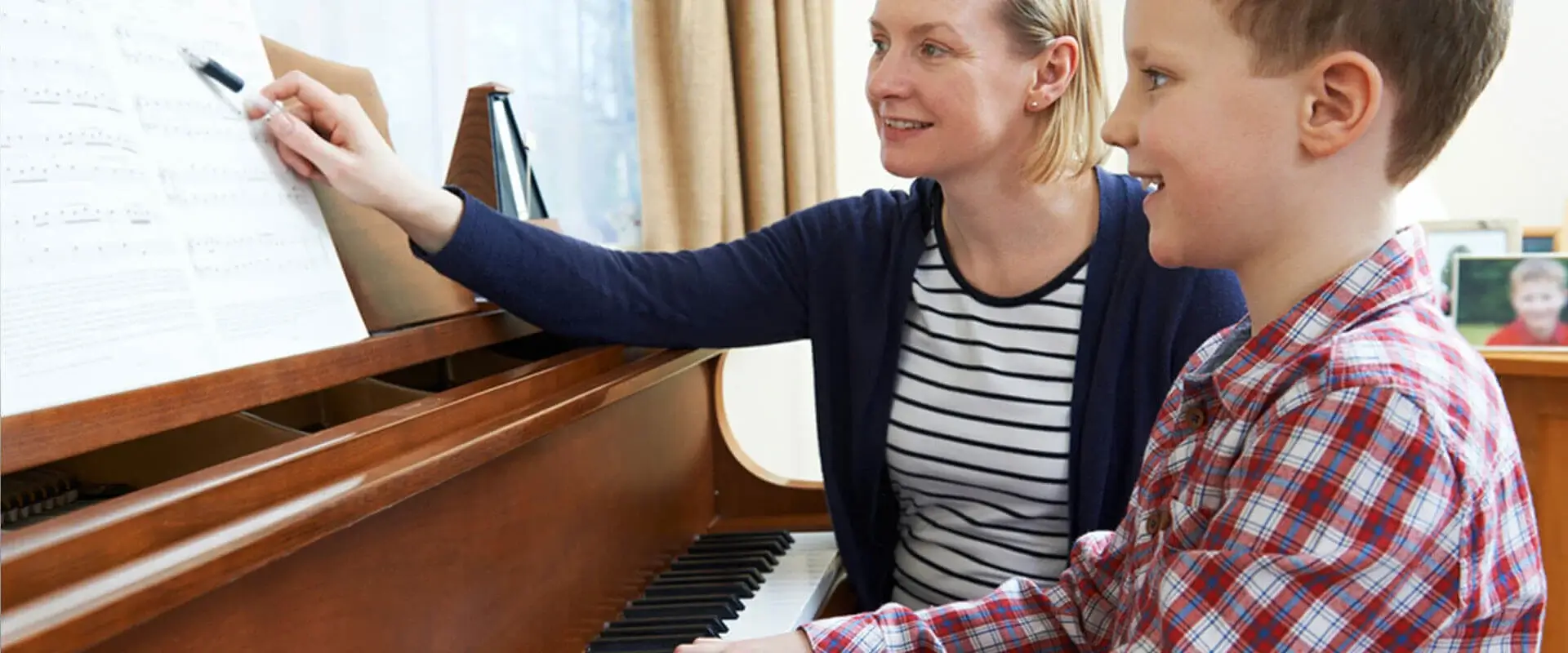
Here are just a few of the many teachers offering Piano lessons in Livingston . Whether you are looking for beginner guitar lessons for your kids, or are an adult wanting to improve your skills, the instructors in our network are ready to help you now!
Instruments: Piano Guitar Drums Conga Latin Percussion Music Djembe
In my years of teaching experience in music, English as a second language, and biology, I have found that different students learn differently. Some do best learning by demonstration, others by reading sheet music, others through discussion and application. In general, I have found that when students are given individual focus and a lesson plan built upon their strengths, they excel! I make sure that, whether in individual or clinic style settings, I give attention to each student, work with them, and help them achieve their goals! Read More
Instruments: Piano Keyboard
My teaching experience started when I was college student, as I began teaching for composition, Harmony, Counterpoint and piano, also sight-singing for students at the local church and school, and have been teaching some of the students in their home for last 2 years. One of my important goal of teaching is to teach my student that how to enjoy the music and how to tell their own story through music. Read More
Instruments: Piano
Nothing is more rewarding than seeing one of my students develop a passion for music! Therefore, it's important that each student progresses at his or her own pace. Teaching materials are carefully considered by me according to the progress of the students. Piano examinations and competitions are essential to help fuel students desire to progress and make students eager to learn more. I would instruct students to be responsible for their own lessons with good preparations and good attitudes. Read More
Instruments: Piano
I really love teaching because my mother is a piano teacher. I saw her teaching since I was very young. My mom is a very passionate teacher and her lesson was never boring. I can see the excitement from both of her and her students when she was teaching. When I become a piano teacher, I hope I can become someone like my mom who is always positive, passionate and enthusiastic but still very strict. Read More
Instruments: Piano Voice Keyboard
I teach based on what is best suited for the learner. All students learn differently and at different speeds. Students will be able to choose repertoire and learn technique through the music they love. Students are encouraged to discuss the music that they are interested in, their goals, and interests. Students will be encouraged to practice and will be recognized when they have success and accomplishments. Learning about the student also helps me to understand their future goals with music. Read More
Instruments: Piano Voice Violin
Voice methodology is to learn how to make the correct sound on the flow of breath. One must learn how to breathe whether singing loudly or softly in whichever style or genre the student wants to learn. String playing can be hard on the ears when beginning, therefore it is important to develop a good bow technique in order to make the best sound possible. I use the All For Strings method books. Read More
Instruments: Piano Guitar Violin Synthesizer Fiddle
My teaching method is the specially developed system consisting of a complex of composed tasks and exercises, directed on fast mastering of a musical material and development of learning playing the violin piano and guitar The given system has been made taking into account all components of educational process: pedagogical, psychological and informative. Eccentricity of the given guide consists that it is made of composed tasks and exercises which have been prepared as the lesson plan for violin's pianos and guitars practice with the American pupils throughout 10 years. Read More
Instruments: Piano Clarinet Drums Mallet Percussion Orchestral Percussion Conga Latin Percussion Djembe
Why did you choose your primary instrument?
my decision to play drums as my primary instrument happened very naturally. I started off playing clarinet and classical percussion. Later on, I also studied piano but when I started studying jazz, I switched to drums. I still play the other instruments, but playing drums is just another experience for me. I can express myself the best on the drums out of all the other instruments I play. It feels the most honest. I think because when you play drums you really feel the instrument resonate. This natural phenomena is very inspiring.
What musical accomplishments are you most proud of?
Besides teaching, I also have a career as a performing musician and composer. Last September, I went to Europe with my quartet and we played 10 shows over 2 weeks and recorded my compositions in a studio in Germany. I'm very honoured that these top noch musicians are willing to work with me.
Have any of your students won awards or been selected for special honors? How have they succeeded?
I've never had students that took part in a competition. But I am willing to prepare students to enter a competition, aiming for the best possible result. Since I took part in many competitions, I know how to deal with this.
What do you think is the hardest thing to master on your instrument?
Honesty. An instrument never lies. It sounds the way you feel, think,...
The instrument knows as much about you as you know about yourself. It might even know more.
Do you use specific teaching methods or books? (Ex: Alfred, Bastion, Suzuki, Hal Leonard) Why did you choose them if you did?
I don't use specific methods because people and students aren't specific either. Some books work for some people and visa versa. I disagree with a lot of the academia so I rather teach my own method, which is a method that I create per student.
What does a normal practice session look like for you?
Start of simple. Playing simple things is actually the hardest thing to do. Because the material is so raw, you can't hide behind your mistakes. So I would stick with a simple idea for a long time before going to other places. Really try to become this one idea so that you don't have to think about it anymore. You just play it naturally. This will automatically lead me to other worlds I still have to explore.
If you have a Music Degree, what is it in (Performance, Education, Musicology, Theory, Composition, etc) and why did you choose that degree?
Performance, because I love performing.
I got my Education degree within my performance degree.
Composition: Because i find it very challenging to write my own music. To learn more about yourself as a player and come op with (musical) questions and solutions.
What is your dream piece to perform and why?
I don't have a dream piece yet. For now I would say that my dream piece would be an improvisation where I'm really happy about.
If you weren't a musician what do you think you'd be doing instead?
painting.
What is your favorite style/genre of music to play and why?
free improvised music. in free improvised music i can be the most honest i can be compared to any other musical situation. since i don't like lying, this is my favourite genre.
If you play more than one instrument, how did you decide to start playing the second? (Or 3rd, 4th, 5th, etc)!
read the question about choosing my primary instrument. everything happened naturally, I didn't think about any of these things.
Does music run in your family? Tell us a little about your musical family members.
read "did you ever have a teacher that inspired you?"
When did you decide to become a professional musician? Was it a gradual decision or was there a defining moment for you?
this happened very early on, I must have been 11 or 12. When going to middle school, my friends started thinking about professions but since I already enjoyed playing music that much, it was a very easy decision to make.
25 Years
Since We Started
41,456+
Happy Customers
10,769
Cities with Students
3,123
Teachers in Network
Trusted as the industry leader, for over 21 years the teachers in our network have been providing Piano lessons in Livingston to students of all ages and abilities.
We'll then reach out to the teachers for you.
Schedule the risk-free trial lesson directly with the teacher.
Continue with that teacher or try someone else.