
 877-687-4524






Musika Quick Stats
25 Years
Since We Started
41,456+
Happy Customers
10,769
Cities with Students
3,123
Teachers in Network
Lesson Special - Up to 20% OFF! Get Started Now with a Risk-Free Trial!
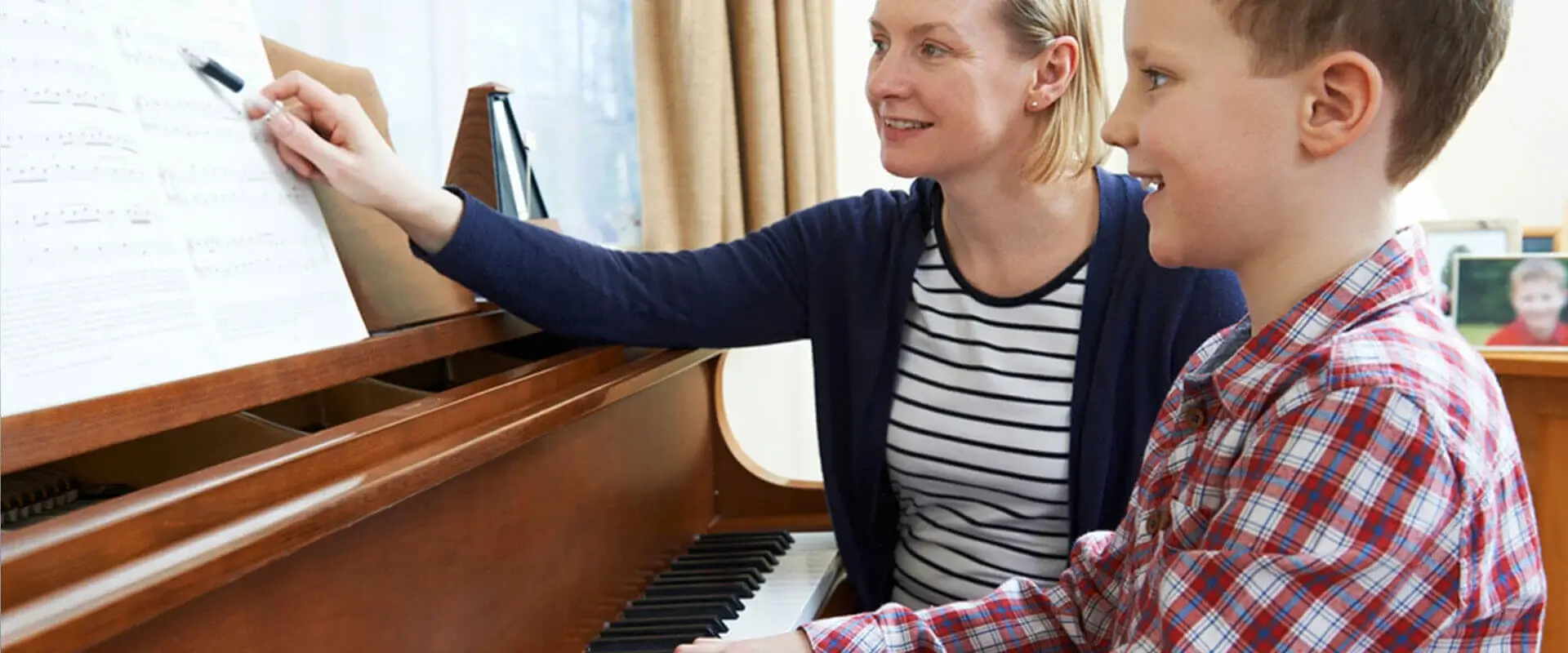
Here are just a few of the many teachers offering Piano lessons in League City . Whether you are looking for beginner guitar lessons for your kids, or are an adult wanting to improve your skills, the instructors in our network are ready to help you now!
Instruments: Piano
Aden A. born in Istanbul Turkey in 1993. Her early musical experiences were about classical piano education started in Mimar Sinan Conservatory (2004). Award winner musician has been honored to play many art events, concerts and studios. In Istanbul, she became well known music instructor in Dore Music Academy and continued to tutor children aged between 5 -18 . Adults also was filled the schedule of hers. She worked as an art consultant in art foundations. Read More
Instruments: Piano Voice
I started learning and playing piano from an early age, and have been teaching music for over thirty years. More than anything I strive to introduce my students to the beauty of music, and approach them with the same amount of passion and enthusiasm. I try to make the learning experience as fun as possible, while ensuring progress. I am very positive and my biggest priority is to make my students happy and make sure they enjoy every lesson. Read More
Instruments: Piano Trumpet Trombone Recorder Euphonium Tuba Music
Nothing is more rewarding than seeing one of my students develop a passion for music! Therefore, it's important that each student progresses at his or her own pace. I encourage this by setting realistic goals for my students at each lesson. Acknowledging accomplishments helps fuel a students desire to progress, and makes students eager to learn more. By trying to find out what inspires the student, I can successfully tailor my instruction to their wants and needs. Read More
Instruments: Piano Organ Synthesizer Keyboard
Method books I use include:Alfred's,Faber, chord books, and student choices....30 mins child, 45 mins adult in your home......concentrating on method books,chords,fake book style reading,and songs that the students like....and using my 10 years experience to design a program that is geared toward the students needs. It is my goal to get each student to their goal in a timely manner. My experience as a real life musician will help those seeking a career in performance, teaching, and practice methods. Read More
Instruments: Piano
With each and every one of my students, I try to help them appreciate the music they are playing. I always try to emphasize practicing everyday, paying attention to the rhythm, and sight reading the music. I also make sure to tailor to the student's needs. A comfortable setting is established for them so that they may not feel stressed out and that I am there to always help them out. Read More
Instruments: Piano
Hi, my name is Caroline, and I began playing at the age of 3, formal training at age 5, studying with professional pianists all the way through college. I am classically trained, and studied classical piano as well as Jazz in college and beyond. I enjoy learning and teaching all types of music, including composition and improvisation. I offer my students 2 recitals every year, and I encourage any other opportunities to perform whenever possible. Read More
Instruments: Piano Voice Saxophone Bass Guitar
I have been a music instructor for 13 years now. I have taught different categories of students ranging from 2-65 years old. I started off as a classical teacher for a church choir, in which i taught for 7 years. My students find listening and playing their musical instrument very enjoyable, where personal practice becomes interesting and looked forward to. My students are driven by the joy of the learning process and this has been a reason they improved at a great pace! Read More
Instruments: Trumpet
How do I know if my child is ready to start lessons?
Often, trumpet should start around age 10 (depending on development of each individual), but every student is different! I often offer a free trial to see if the student can even make a sound. If so, we can move on from there.
When will I start to see results?
The student will get out of it what they put in. Beginning students will see results immediately, but it will still be a slow process. Building good habits take time. Older students need time to grasp concepts, relearn different thought processes, and understand how my teaching philosophy works. Lessons are learned via imitation. They play with, understand how I sound, and then try to apply that to themselves. This process can vary very wildly depending on the students' imagination.
Did you have a teacher that inspired you to go into music? How did they inspire you?
My professors at Appalachian State University, Dr James Stokes and Dr Rusty Smith, both had (and still do!) a huge impact on my music career. They're brilliance, focus, and determination were inspiring. However, they're willingness to connect with me, take the time to understand me, invest their time into me, and treating me with care really gave me the confidence to continue.
Why did you choose your primary instrument?
I was at a concert as a young child where a trumpet player was on stage. I told my mom "I want to play that!" taking some inspiration from my brother who played tuba at the time. The story was told around family, and my grandfather bought me one for Christmas without any of my family knowing about it! Though they were upset at the time, they're quite happy with the results now.
What musical accomplishments are you most proud of?
Recently, my performances on Royal Caribbean International Cruise Lines. Not only was this a big step on my personal career, but it was the acknowledgement that I am good enough to perform on a stage. Often, gigs are gained from recommendations from others, but this one was completely on my own. Earning #1 Music in Tampa Ports while I was onboard and constantly get call-backs from the music directors asking me to come back gave me a sense of being desired which was a great change.
Have any of your students won awards or been selected for special honors? How have they succeeded?
Many of my students were from North Carolina and were not available to transfer with me via online teachings. However, the one I still do teach is now performing with local community bands as well as getting spots in the local high school marching bands as a home-schooled 7th grader!
What advice do you have about practicing effectively?
Take your time! You shouldn't be rushing through a practice session, as thay tends to lead to stress. Take breaks, take time, and understand what you're trying to get out of each session.
25 Years
Since We Started
41,456+
Happy Customers
10,769
Cities with Students
3,123
Teachers in Network
Trusted as the industry leader, for over 21 years the teachers in our network have been providing Piano lessons in League City to students of all ages and abilities.
We'll then reach out to the teachers for you.
Schedule the risk-free trial lesson directly with the teacher.
Continue with that teacher or try someone else.