
 303-569-4586



Musika Quick Stats
25 Years
Since We Started
41,456+
Happy Customers
10,769
Cities with Students
3,123
Teachers in Network
Lesson Special - Up to 20% OFF! Get Started Now with a Risk-Free Trial!
Here are just a few of the many teachers offering Piano lessons in Westminster . Whether you are looking for beginner guitar lessons for your kids, or are an adult wanting to improve your skills, the instructors in our network are ready to help you now!
Instruments: Piano Guitar Voice Drums Banjo Electric Guitar Classical Guitar Acoustic Guitar
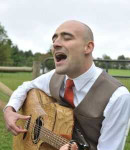
As an analyst I developed a fascination with the science and theory of music and as an intuitive person with the raw mysteries of improvised playing. I have a degree in Music Composition with a focus in piano and guitar. I have been teaching ever since I developed my own understanding of Music Theory. I have always been fascinated with teaching music to others and developing new ways of understanding. Read More
Instruments: Piano Guitar Drums Bass Guitar Music Keyboard Electric Guitar Acoustic Guitar
One of the greatest joys of teachingis to see that lightbulb go on when my students really start to pick things up and the excitement they getin seeing and hearing their own musical growth! I like to have my students set realistic goals for themselves which help to inspire them when they meet a goal with flying colors! Myteaching methods involve basic theory, sight reading, ear training,picking techniques, and many other aspects. Read More
Instruments: Piano Keyboard
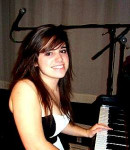
I started teaching at the prep department of the conservatory in 1992, and have been teaching ever since. I teach all levels - from beginners to intermediate to advanced students at the university level. Regular practicing is essential in retaining progress. I give my students a combination of classical and popular repertoire to expose them to many different styles. If they are interested in composing their own music, I definitely will help with that as well! Read More
Instruments: Piano
My students thrive on goal setting. From the very first lesson, we work together to set clear, meaningful objectives that guide our learning journey. We revisit these goals regularly, tracking progress and adjusting as needed to keep students motivated and on track. I tailor my approach to each individual, recognizing that every student learns differently. Accomplishments, whether big breakthroughs or small wins, are celebrated, as each is a step toward the overall goal and a reason to feel proud. Read More
Instruments: Piano Voice Drums Synthesizer Conga
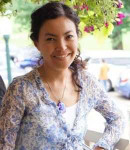
Music Educator, Producer, Recording Artist, Multi-Instrumentalist, Culturist. *Founded and operated a Music school for teens and youth ( in Lansdowne, Virginia).Operated for 3 years before moving to New York City. *Worked for Sony Music in Artist Development and production for (Kat Dahlia) *Relocated to Denver in 2014 for new-media project. *Contract educator and teacher of various students in Denver..Music Theory, Piano Performance, Music Composition,Music Production,Voice Lessons, Choral Arrangement, Audio Recording.Jazz Voicing, Composition Arrangement. *Member of multiple music productions in Denver, Colorado Read More
Instruments: Piano Saxophone Flute Clarinet Synthesizer Ukulele Music Keyboard Acoustic Guitar
I'm a patient and motivated music instructor who loves working with anyone sharing a passion for learning more about music and their instrument. In 2017, I graduated from Texas AM University - Corpus Christi with a Bachelor of Arts degree in Music with a minor in the Music Industry and in 2019, I graduated from North Carolina Central University with a Master of Music in Jazz Studies with an emphasis in Composition. Read More
Instruments: Piano Guitar Trumpet Trombone Organ Synthesizer Ukulele Recorder Euphonium Music Keyboard Acoustic Guitar
If you have a Music Degree, what is it in (Performance, Education, Musicology, Theory, Composition, etc) and why did you choose that degree?
My Masters Degree is in Music Education with a Piano emphasis. I was playing trombone in the large ensemble, but taking private studio lessons on piano. I chose music education as I was already 17 years into a thriving teaching career. Earning a masters degree in education would help provide me with more strategies to be effective in my teaching relationship with students. As long as you are majoring in a music study, performance is a big part of your program. I still perform quite frequently, with and without students. Sharing this passion through education allows the passion to spread and flourish.
What do you think is the hardest thing to master on your instrument?
That is a relative question, based on the level a student is playing. Beginners often struggle to get two hands to play independently of each other. It can also be a challenge to move into a triple time signature. More advanced students sometimes find it a challenge to bring musical expression into a technical piece with phrasing, dynamics and tempo. Playing at a consistent tempo and not rushing can be a challenge, especially in performance situations. The piano is a very expressive instrument, great for solo and accompanying. Putting it all together is exciting!
Do you use specific teaching methods or books? (Ex: Alfred, Bastion, Suzuki, Hal Leonard) Why did you choose them if you did?
Yes, I do use specific curriculums in the interest of making sure all the bases get covered. I have used most of the major ones through the years, but have primarily narrowed it down to a couple now, at least for the beginners and intermediates. Depending on progress and efficiency of learning, I will make a choice of which method I think may be beneficial to a particular student. More advanced students begin to choose a direction their musicianship is leading them, so curricular choices become more varied.
What does a normal practice session look like for you?
Students are given 3-4 books to work out of - Technique, Theory, Piano Literature (where everything is ties together into actual songs) and Performance.
Practice sessions should begin with some technical studies for warm-up of fingers and mind. These are very gradual in their approach to technique - fun little exercises suited appropriately for the level where a student is currently.
Upon completing the technique practice, move into the piano 9lesson) book. I would suggest playing the song through as far as you can comfortably go, making note of anything that needs work.
Then, go back and work your way through the problem spots slowly. Pick out just the tiniest part of that spot until you can play it well. Then add some context to it until it can be played well, three times in a row preferably.
This little fixit session should be applied each day until the song can be played all the way through with no mistakes.
25 Years
Since We Started
41,456+
Happy Customers
10,769
Cities with Students
3,123
Teachers in Network
Trusted as the industry leader, for over 21 years the teachers in our network have been providing Piano lessons in Westminster to students of all ages and abilities.
We'll then reach out to the teachers for you.
Schedule the risk-free trial lesson directly with the teacher.
Continue with that teacher or try someone else.