
 415-508-6557





Musika Quick Stats
25 Years
Since We Started
41,456+
Happy Customers
10,769
Cities with Students
3,123
Teachers in Network
Lesson Special - Up to 20% OFF! Get Started Now with a Risk-Free Trial!
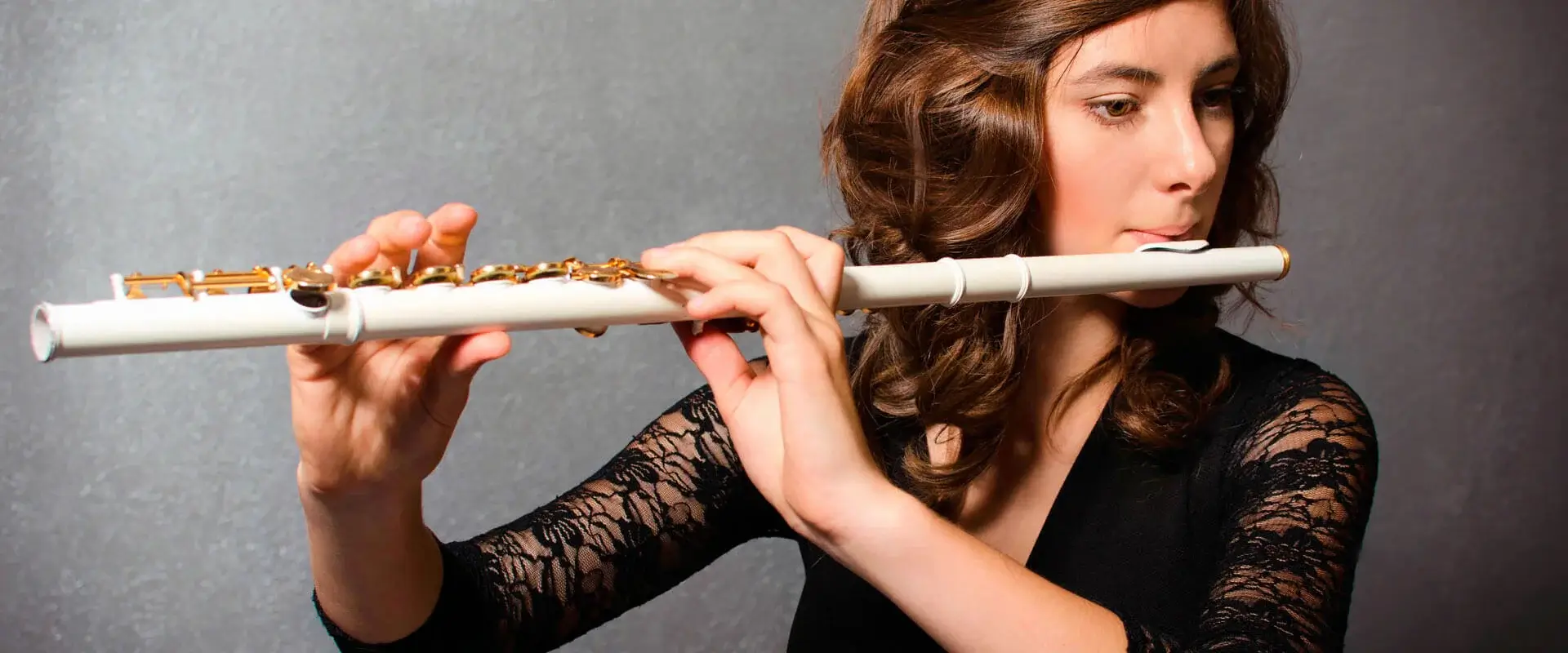
Here are just a few of the many teachers offering Flute lessons in San Francisco . Whether you are looking for beginner guitar lessons for your kids, or are an adult wanting to improve your skills, the instructors in our network are ready to help you now!
Instruments: Saxophone Flute Clarinet
My teaching experience goes back to college, i taught private lessons as well as large ensembles and small ensembles at local high schools. I have traveled with a non for profit around the world working in poorer communities giving children a chance to experience playing and learning about music. My students have received top honors in middle school, and high school as well as some of them receiving scholarships from Universities. Read More
Instruments: Trumpet Trombone Saxophone Flute Clarinet Ukulele Recorder Euphonium French Horn Tuba Music
I begain teaching as a band assistant in college. I would lead sectionals and work with students who where struggiling one on one. As I gained experiance my role and responsibly grew and I began to run rehearsals and plan for concerts. One aspect of lessons that I emphasise is musicality. Often I will ask my students to listen to the song that they are working on or watch the movie or tv show it comes from because it is important to hear and see the bigger picture. Read More
Instruments: Saxophone Flute Clarinet Recorder Piccolo
I have been teaching music for over 15 years and have extensive experience teaching children with special needs. I am experienced in teaching private 1:1 lessons as well as directing small ensembes. Read More
Instruments: Flute Clarinet
I am a motivated teacher who loves to teach flute and to share my passion of music. I graduated from San Francisco State University with my Bachelors in Music in Classical Flute Performance. I have studied with Leslie Chin and the second chair of the San Francisco Symphony, Linda Lukas. I have been able to work with some great conductors such as Dr. Martin Seggelke and John Williams. I am currently working on the soundtrack for the upcoming Star Wars film and I have completed the season 5 soundtrack of Game of Thrones in November of 2014. Read More
Instruments: Flute Piccolo
Depending on a student's musical background, I would typically start with foundational exercises like scales/arpeggios/broken chords and discussions of essential music theory elements to help a student progress. If the student is brand new to the flute, I would also do some breath work, and introduce exercises to improve tone and understand tuning. After the basics, I'd introduce solo repertoire and help students prepare for any performances they would like to take part in. Read More
Instruments: Flute Piccolo
Hello! I hold the positions of Principal Flute with the Allentown Symphony and Second Flute and Piccolo with the Philadelphia Ballet. I am also an active freelancer in the area with groups such as the Philadelphia Pops, Opera Philadelphia, Opera Delaware, Harrisburg Symphony, and more. I hold three degrees in classical flute performance from accredited institutions where I have studied with flute greats such as Jim Walker, Marianne Gedigian, and Timothy Day, and have performed all over the country in various professional orchestras and in chamber and solo events. Read More
Instruments: Flute
I am an Iranian-born musician that pursued a life dedicated to the midwifery of artist-led philanthropic initiatives. Later I narrowed my dedication to the community around me after the pandemic and national police brutality rise in the nation; however, I learned that my true calling is with the organizations behind the scenes striving to provide the youth with access to world-class music education. I strongly believe in quality music education for the youth because my lifelong theory is that bridging networks and social cohesion are increased by bringing children from all walks of life together through music. Read More
Instruments: Voice
How do I know if my child is ready to start lessons?
This is definitely one of the top questions I get from parents. If your child is consistently showing the desire to either sing or play an instrument, then it’s probably a good time to introduce them to a coach. By consistently, I mean for more than a couple of months. Children are fickle so you want to be patient to see if there is a persistence with their passion for a specific instrument.
Why did you choose your primary instrument?
I have been asked this question many times, and my answer is always the same, I didn’t choose my instrument, it chose me! I started singing at a very early age. My mom was the first one to notice my affinity for music and singing when I was five years old. One day while riding with her in our car, I started singing a song on the radio, and then started singing the harmony parts to the chorus. She immediately stopped the car, turned down the radio and asked me to sing a song with her. I can’t remember which one it was, but she then asked me to sing the harmony with her and I did. From that moment forward, she lovingly cultivated my passion for singing and the rest is history!
When will I start to see results?
You will start to see results after the very first vocal lesson guaranteed. The method that I coach is nothing short of incredible. It made me a more powerful, controlled, dynamic and conditioned vocalist, and it will do the very same thing for you!
What advice do you have about practicing effectively?
The advice I give all of my students for practicing effectively is One: Make sure you are practicing at least five days a week and optimally around the same time each day for scheduling consistency. Two: Always rest between exercises. Just like in the gym, give your muscles a chance to relax, and your brain a chance to allow the scope of the exercise to sink in between reps. 30 seconds is plenty of time between exercises. Three: Always start with a reasonable amount of time spent on each exercise before moving to the next. I have found that five minutes per exercise with 30 second rests in between is plenty to start with. As you become more comfortable and confident with the exercises, you can start adding time to each one for conditioning. Four: never let passion override your reason. Always be present in the moment to realize when your muscles are becoming fatigued. Each practice session will have an inflection point. Simply stop when you become overly tired.
25 Years
Since We Started
41,456+
Happy Customers
10,769
Cities with Students
3,123
Teachers in Network
Trusted as the industry leader, for over 21 years the teachers in our network have been providing Flute lessons in San Francisco to students of all ages and abilities.
We'll then reach out to the teachers for you.
Schedule the risk-free trial lesson directly with the teacher.
Continue with that teacher or try someone else.