Featured Violin Teachers In Florida

Richard K
Instruments: Violin
Nothing is more rewarding that seeing as many as possible of my students develop a passion for music!!! Therefore, it's important that each student progresses at his or her own pace . I encourage this by setting realistic goals for my students at each lesson .Acknowledging accomplishments helps fuel a students desire to progress, and make students eager to learn more . By trying to find out what inspires the student, I can successfully tailor my instruction to their wants and needs.............. Read More

Brian S
Instruments: Piano, Violin, Cello, Viola, Electric Violin, Fiddle, Double Bass
I begin with developing sheet music literacy in my students right off the bat if they have no experience in reading music. I believe music literacy is one of the most important aspects of learning an instrument. I've always said, "not being able to read sheet music is like trying to be a writer who can't read, it makes no sense". I also begin with teaching proper form. Meaning how to hold the instrument and how to use proper technique. Read More

Joshua W
Instruments: Violin, Cello, Viola, Double Bass
My philosophy on teaching covers many bases. I teach so that the student may succeed. It does not bother me if a student desires to achieve some other goal than becoming a professional musician. When I taught public school my students had varying dreams for their future. It became clear that they needed me to inspire them and assist them in building confidence. To that end I help students get out of their own way to gain self discipline and drive. Read More
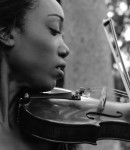
Sarah W
Instruments: Piano, Violin, Viola
Overall, I have been teaching for over 12 years. I have experience teaching chamber ensembles, orchestra, technique classes, and preparing students all over for auditions and state competitions. I also like to arrange studio recitals when I feel the student has made progress to keep them motivated!! My main goal is to keep my music lessons interesting and exciting as well as accomplishing the music goal for all of my students. Read More

Stephan L
Instruments: Violin, Cello, Viola
Nothing is more rewarding than seeing that musical spark ingnited in a student. Every student has different interests and different learning styles. Therefore, I make it my number one priority to accomodate the student's learning needs. Each lesson, we will set small attainable goals that can be achieved each week in order to help fuel a student's desire to progress and continue practicing. Read More

BBB Accredited
Don't just take our word for it. We hold the highest possible A+ rating from the nations foremost online reliability source: The BBB. Check out our A+ rating from the Better Business Bureau.