Featured Saxophone Teachers In Pennsylvania
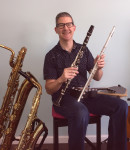
Daniel L
Instruments: Piano, Saxophone, Flute, Ukulele, Music, Keyboard
As I have taught many students on many different instruments, my focus has been on providing students with a firm foundation, including proper posture, breathing, embouchure, technique, and pitch/rhythm literacy. I have found great success in using the Essential Elements method books, and eventually move on to intermediate and advanced methods, focusing on etudes, scale studies, and solo repertoire. Beyond a traditionally classical approach, I believe strongly in listening to my students to realize what they desire to learn. Read More

Kaitlyn S
Instruments: Guitar, Voice, Saxophone
I am a student at Chatham University studying Vocal Performance, International studies with a focus in Africa, and minoring in Psychology. I am passionate about music, having learned 7 instruments on top of practicing voice, and love to share the knowledge that I have gained. I have been performing in plays and musicals, and as a soloist since 2009 and continue to do so today. Performing at Carnegie Hall with a choir conducted by Eric Whitacre was one of the greatest experiences in my life as a musician. Read More

Natalie D
Instruments: Trumpet, Trombone, Saxophone, Clarinet, Ukulele, Euphonium, French Horn, Music
I started teaching private lessons in college and continued doing so after graduation. I like teaching private lessons because students learn valuable skills and techniques that will help in every aspect of a student's life. Students learn time management, dedication, and work ethic through taking private lessons and I love watching students grow throughout the process. As a music teacher, I have ample experience with students in grades 4-12. I have also prepared students for music school auditions, honors band festivals, and other festivals such as the Macy's Day Parade Great American Marching Band. Read More
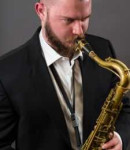
Nathan H
Instruments: Piano, Saxophone, Flute, Clarinet
I structure my lessons in the same way I structure my own personal practice. I usually start off with a few technical exercises, then cover some theory, and then work on repertoire. How much time goes in to each category will depend on the student. A beginner tends to need more time on technique, whereas someone who has an audition or recital coming up will spend most of their time on repertoire. Read More

Nicholas M
Instruments: Saxophone
It is most important to me that my students become passionate about what they do! I realize that every student learns differently and has different interests than my own. Because of this, I like to cater my lessons to what they would like to do as often as possible and through this I find creative ways to incorporate fundemental technical elements into the lesson. This can be through creating patterns to practice using the material of a musical phrase from their favorite song or expanding their playing range on the instrument by playing it in different keys and octaves. Read More

BBB Accredited
Don't just take our word for it. We hold the highest possible A+ rating from the nations foremost online reliability source: The BBB. Check out our A+ rating from the Better Business Bureau.