'Learning how to play saxophone is tons of fun for older children, teens, and adults of all ages! Along with learning to read music notation, many students also work on improvisation which is primarily used in jazz. Since the saxophone is one of the newest instruments it is not featured heavily in classical repertoire, although some more modern composers have written parts for the instrument in their orchestral works. Instead, saxophone is used mostly in wind ensembles, jazz, blues, funk, and rock music.
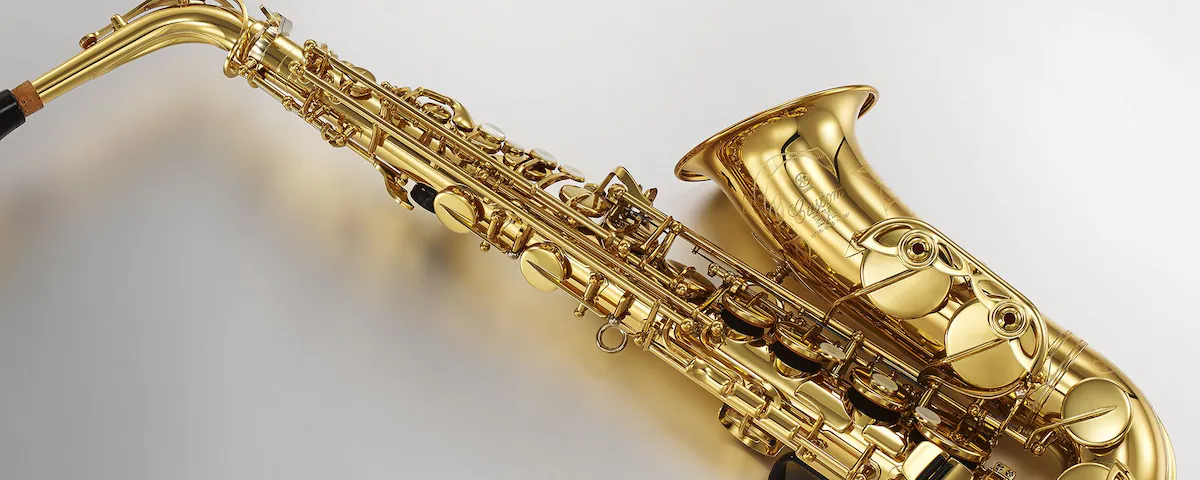
While the saxophone is made of brass, but it is actually considered a woodwind instrument. This is because the mouthpiece is fitted with a single wooden reed that is necessary for the instrument to produce sound. The saxophone is played by placing the mouth around the mouthpiece with the bottom lip curved under to rest on the reed. The hands are then placed on the keys which can be depressed to create different notes. Saxophones come in a variety of sizes, although the most commonly played are soprano, alto, tenor, and baritone. The fingering is the same for all of them though, so once you learn to play saxophone on one size you can play any of them! Musika’s qualified teachers can help you figure out which one best suits you and get you where you want to go musically.