
 815-534-1701





Musika Quick Stats
25 Years
Since We Started
41,456+
Happy Customers
10,769
Cities with Students
3,123
Teachers in Network
Lesson Special - Up to 20% OFF! Get Started Now with a Risk-Free Trial!
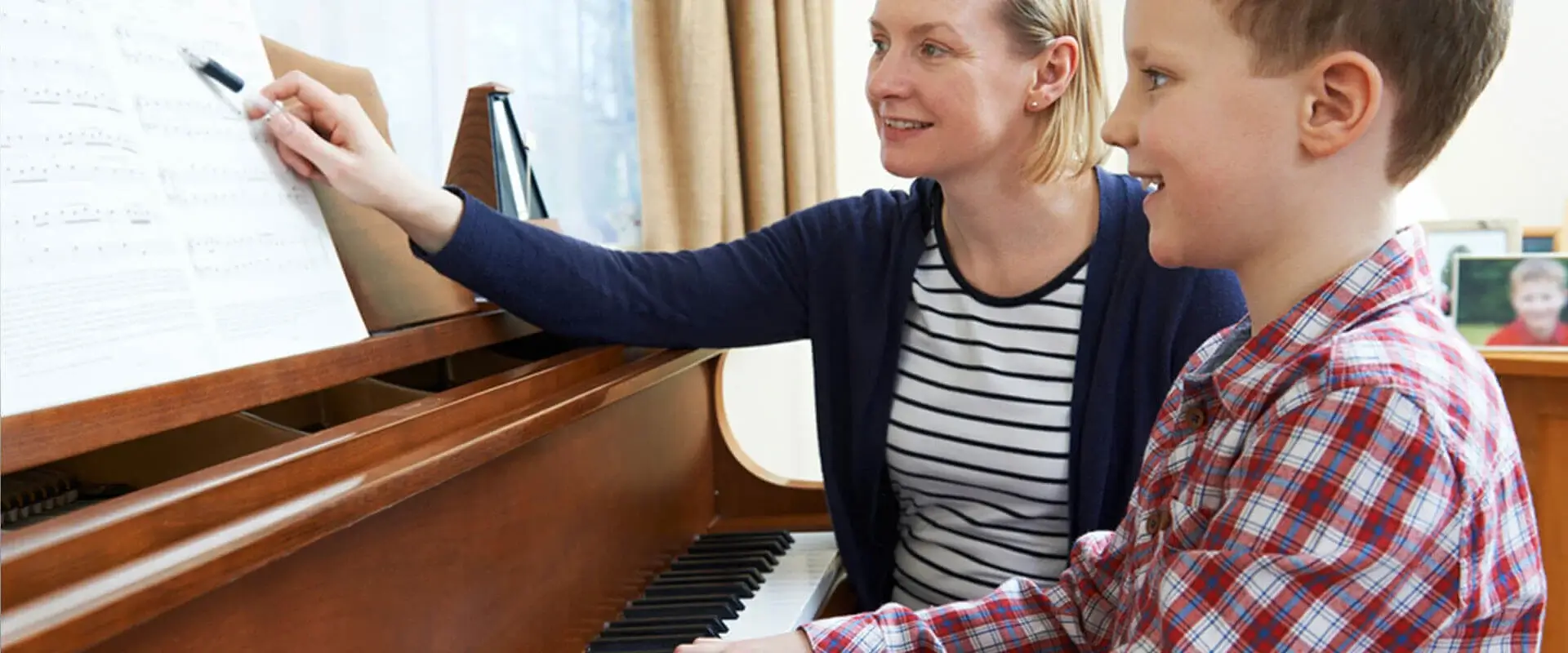
Here are just a few of the many teachers offering Piano lessons in Wilmington . Whether you are looking for beginner guitar lessons for your kids, or are an adult wanting to improve your skills, the instructors in our network are ready to help you now!
Instruments: Piano Drums Bass Guitar Organ
For all students during the first lesson I have them play something regardless of their skill level. Based on personal experience I’ve noticed that not all students have the same level of ability. For example in drum lessons I’ve had some entry level students sit down and play a groove and have another sit down and have no coordination. After determining the students ability level, my next step is to determine what the students likes. Read More
Instruments: Piano Guitar Violin Cello Viola Bass Guitar
For the child and adult alike I begin with different types of instuctional material. Since instuctional materials use similar but somewhat different ways of presenting concepts, I use the the series that will allow the student to grasp and master the fundamentals. The older student, along with learning the fundmentals, will also explore their interests. I'll begin tailoring their lessons to include their interests as well as other genres. Read More
Instruments: Piano Voice Organ Synthesizer Keyboard
I combine the technique, expression, and performance practices from my teaching line of musical masters with more modern teaching methods to give students a well-rounded music education. I cater each lesson to the individual needs and interests of the student, while giving them a strong technical foundation and fostering their love of music. I use scales, arpeggios, and other methods to help build technique. I also want the student to enjoy what they are performing, so I often ask the student if there are pieces they would like to learn and do my best to find an arrangement suitable to their level of difficulty. Read More
Instruments: Piano Voice
I start teaching voice and piano when I was 20 years old. Since then I had countless students. I am available to teach students from novice to expert. In Romania, I taught at the Music Highschool in Brasov and also the Arts academy in the same city. In the USA I worked with Northwestern University, Depaul University, Roosevelt University. Also with Lyric Opera of Chicago, Chicago Opera Theatre, Madison University WI, San Francisco Conservatory. Read More
Instruments: Piano Voice Violin Viola Music Keyboard
My methods depend on my students' ages, experience, and instruments. I incorporate books from Full Voice, Suzuki, Schradiek, Piano Pronto, Bastien, and more! I ensure that my students are getting the essential education that will help them grow and succeed as a musician. In addition to teaching exercises, technic, warmups, scales, chords, arpeggios (and more), I also ensure that students are applying these things to pieces that are important to learn through lesson books and with songs that my students want to learn. Read More
Instruments: Piano Voice Violin Cello Viola Music Keyboard
Suzuki instructional books and supplemented by traditional methodology for reading the various clefs: treble, alto, tenor, and bass. In addition, historical and theoretical subjects are introduced appropriately to keep the student engaged no matter their current abilities. We also have at least two public performances a year at a venue which has a high quality grand piano so the students can get used to the notion that every piano will be different and performing scales before playing their chosen repertoire will help them immensely. Read More
Instruments: Piano Guitar Voice Drums Bass Guitar Music Electric Guitar Acoustic Guitar
I have done a small amount of touring with a small jazz ensemble but I'm not gigging currently, but being versatile , experienced and having formal training help make learning music a pleasure and joyful experience easy, stress free and fun, and, that is especially what beginning and aspiring students need.The beginning concepts of music are easy to learn, I.E. the musical alphabet, how notes climb on each instrument...Hearing the note in your head before you play....then actually play them ... Read More
25 Years
Since We Started
41,456+
Happy Customers
10,769
Cities with Students
3,123
Teachers in Network
Trusted as the industry leader, for over 21 years the teachers in our network have been providing Piano lessons in Wilmington to students of all ages and abilities.
We'll then reach out to the teachers for you.
Schedule the risk-free trial lesson directly with the teacher.
Continue with that teacher or try someone else.