
 310-935-4532




Musika Quick Stats
23 Years
Since We Started
41,456+
Happy Customers
10,769
Cities with Students
3,123
Teachers in Network
Lesson Special - Up to 20% OFF! Get Started Now with a Risk-Free Trial!
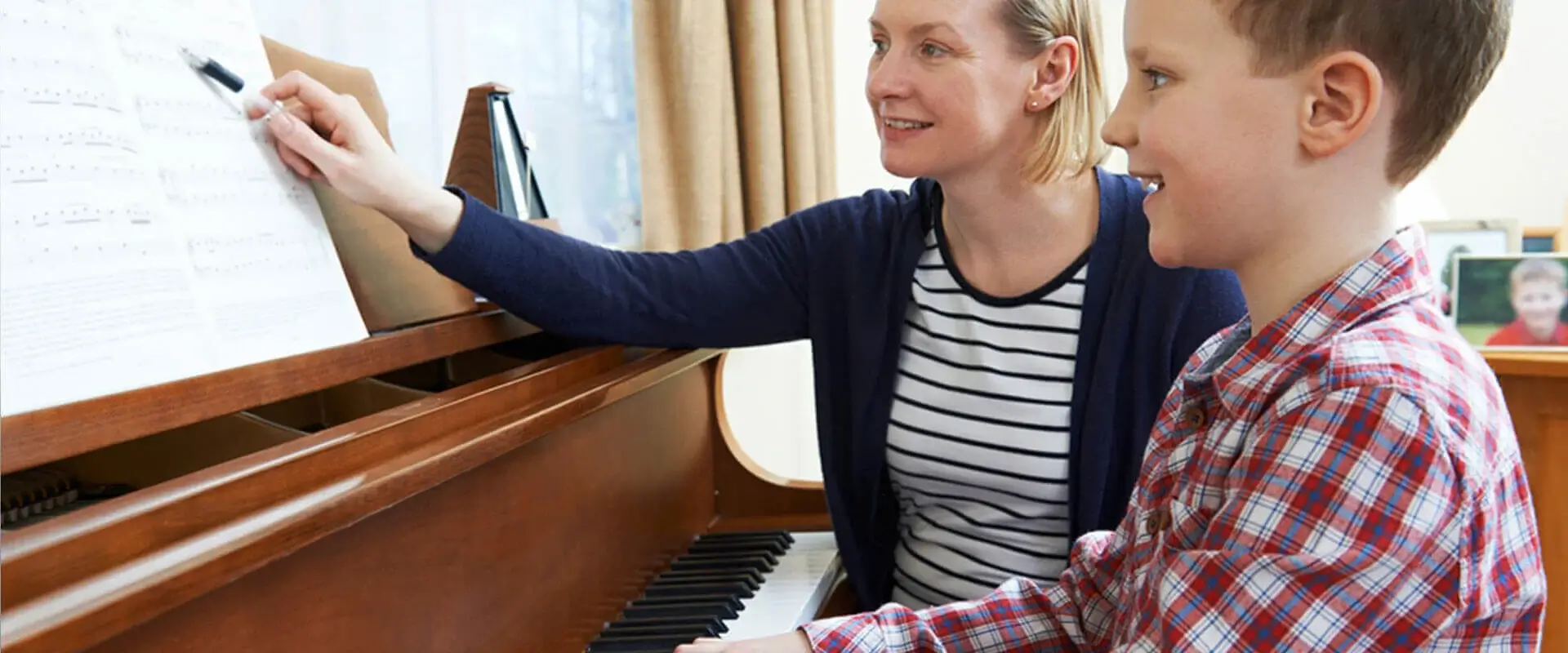
Here are just a few of the many teachers offering Piano lessons in San Dimas . Whether you are looking for beginner guitar lessons for your kids, or are an adult wanting to improve your skills, the instructors in our network are ready to help you now!
Instruments: Piano Guitar Bass Guitar Keyboard Electric Guitar Classical Guitar Acoustic Guitar
I have been teaching guitar and piano since high school. Throughout college I began to take on more students and teach group classes in guitar and jazz. I've had the opportunity to learn from some of the best music educators around. The study of musical pedagogy is a top priority for me. I'm a firm believer in the concept of students learning at their own pace. The last thing I want to do, is make you feel stress when playing/performing! Read More
Instruments: Piano Guitar Bass Guitar Ukulele Keyboard
My teaching philosophy is pretty simple and I describe it with these three words clear, direct, and creative. I believe that when it comes to teaching a teacher must be creative, since not all students learn the same way. Also a teacher must be simple and direct in his teachings. A lot of the times teachers tend to give too much information that goes over the head of the students. Read More
Instruments: Piano Guitar Bass Guitar Lap Steel Guitar Ukulele Music Electric Guitar Acoustic Guitar
For beginning students who are children, I typically start with Piano or Guitar Lessons for the Young Beginner by Andrew Scott and Gary Turner. The student, even at a young age, learns an introduction to music theory. Each concept is taught in a very methodical and step-by-step approach. As a teacher, I am looking to prepare students for ongoing learning for years to come. The language of music can be very confusing and I am looking for ways to minimize those perplexing times. Read More
Instruments: Piano Voice Ukulele
I am a charismatic, fun, sensitive, and super-knowledgeable instructor ready to help you achieve your musical dreams! I left my Ph.D. in 2013 so I could perform and teach more on my own terms, and I am thrilled to be a working performer in New York City, San Francisco, and Los Angeles. My earliest musical training was in voice, and I have been an accompanist for many years, so I enjoy collaborating on helping vocal students express their highest potential. Read More
Instruments: Piano Guitar Voice
I help students to progress at their own pace. Little by little, we build upon what we learned in the previous lesson. In the first lesson, I make sure to establish goals that we can always work to achieve. Read More
Instruments: Piano Voice Cello
Music should be fun. Plain and simple thats why I believe and that is whats kept me pushing forward. Its not going to always be an easy experience learning new things but that does not mean it cannot be fun. I want my students to feel like they are more than enough to play this song or sing that song. I want my students to believe in themselves as much as I believe in them. Read More
Instruments: Piano
I customize lessons for each student because of different levels, goals, and tastes. For children, I usually start with a beginning method book such as Alfreds or Bastien. I introduce the fundamentals and work at the speed of the student, encouraging daily practice. I like to keep my lessons upbeat and fun so I always incorporate pieces that are recognizable to the student. If a student has a favorite tune from an artist, band, or a movie I will find them an arrangement that best suits their level. Read More
23 Years
Since We Started
41,456+
Happy Customers
10,769
Cities with Students
3,123
Teachers in Network
Trusted as the industry leader, for over 21 years the teachers in our network have been providing Piano lessons in San Dimas to students of all ages and abilities.
We'll then reach out to the teachers for you.
Schedule the risk-free trial lesson directly with the teacher.
Continue with that teacher or try someone else.