
 815-534-1701




Musika Quick Stats
23 Years
Since We Started
41,456+
Happy Customers
10,769
Cities with Students
3,123
Teachers in Network
Lesson Special - Up to 20% OFF! Get Started Now with a Risk-Free Trial!
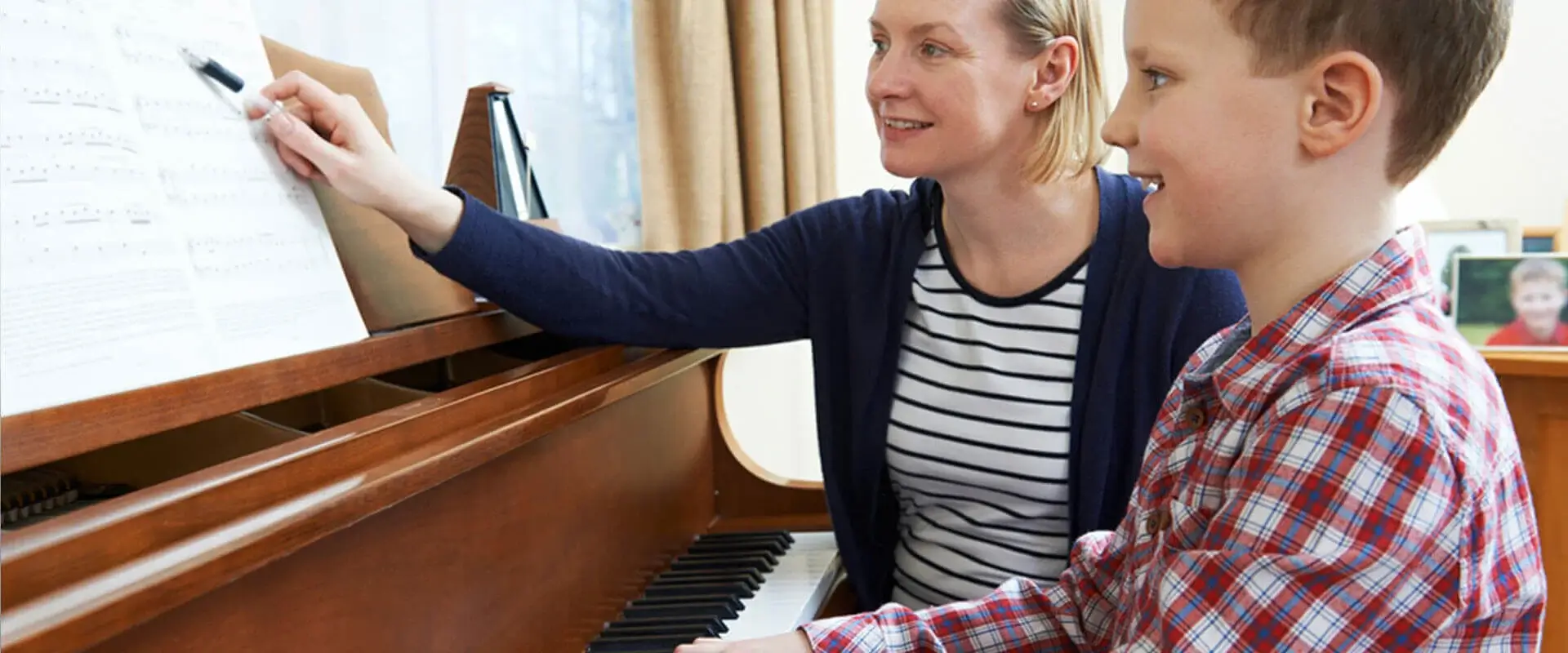
Here are just a few of the many teachers offering Piano lessons in Romeoville . Whether you are looking for beginner guitar lessons for your kids, or are an adult wanting to improve your skills, the instructors in our network are ready to help you now!
Instruments: Piano Guitar Saxophone Flute
For beggining students in guitar or piano, I would have them start with a basic beggining book such as something by hal leonard. With guitar I will teach basic chords and go from there to working on songs. Scales and chords will be a big part of beggining work in these instruments. As for Saxophone, I will usually begin with scales and long tone work- the later being something extremely important. Read More
Instruments: Piano Voice Keyboard
I am an experienced, energetic teacher interested in meeting students at their level, learning about their goals and interests, and tailoring a lesson program that will challenge and excite them in the right ways. I have been teaching piano and voice since graduating from Northwestern University, and I've also worked as a music director and consultant on multiple professional productions in Chicago. As a piano teacher, I have successfully taught students just starting out through those at the intermediate to advanced level. Read More
Instruments: Piano Voice Saxophone Ukulele Recorder Music Keyboard
I am a dedicated music educator focused on innovative ways to engage my students in there learning while utilizing modern technology and proven pedagogical methods to improve my students musical abilities. I graduated from Carthage College in Kenosha, Wisconsin with a Bachelors in Music Education focusing on vocal and general music. I have been performing with bands around the Chicagoland area for many years as a vocalist and as a saxophonist. Read More
Instruments: Piano Trumpet Trombone Music Keyboard
I was fortunate enough to receive partial scholarship to attend the DePaul University School of Music and concentrate my work there in Jazz Studies. During my time at the university, I had the opportunity to broaden my perspective on the trombone by studying with several of the trombone faculty. I spent most of my time working with Tim Coffman, but was able to work with composer and arranger, Thomas Matta, and Charles Vernon, the bass trombonist in the Chicago Symphony Orchestra. Read More
Instruments: Piano
I also like to incorporate improvisation into my teaching method, from very simple improvisational patterns for beginners to jazz improvisation for advanced students. I think teaching beginners that music does not always come off of a page is an important concept and can free them up to be their most creative selves, to feel connected to the music, and to be able to focus on creating a relaxed and natural technique. Read More
Instruments: Piano Guitar Voice Trumpet Trombone Bass Guitar Recorder Euphonium French Horn Keyboard Acoustic Guitar
I have taught privately on and off for the past 5 years. I generally encourage students to practice consistently and efficiently to achieve the results they desire. Being a multi-instrumental musicians has given me the advantage to use the different disciplines to teach in different methods, instructional languages, and pieces in order to reach the students. This has given me a versatile teaching style that generally allows me to associate well with my students. Read More
Instruments: Piano Voice Viola Saxophone
For beginning voice students, I focus on opening and relaxing the throat by way of diaphragm support and healthy, strong breathing. These are the fundamentals of good singing, regardless of the style.We work on these techiniques with both vocal exercises and repertoire.From there, I focus on the student's quality of tone and helping them find their "natural voice." The best singers use their authentic sound, and are not a second-rate imitation of someone else. Read More
23 Years
Since We Started
41,456+
Happy Customers
10,769
Cities with Students
3,123
Teachers in Network
Trusted as the industry leader, for over 21 years the teachers in our network have been providing Piano lessons in Romeoville to students of all ages and abilities.
We'll then reach out to the teachers for you.
Schedule the risk-free trial lesson directly with the teacher.
Continue with that teacher or try someone else.