
 713-589-8771

Musika Quick Stats
23 Years
Since We Started
41,456+
Happy Customers
10,769
Cities with Students
3,123
Teachers in Network
Lesson Special - Up to 20% OFF! Get Started Now with a Risk-Free Trial!
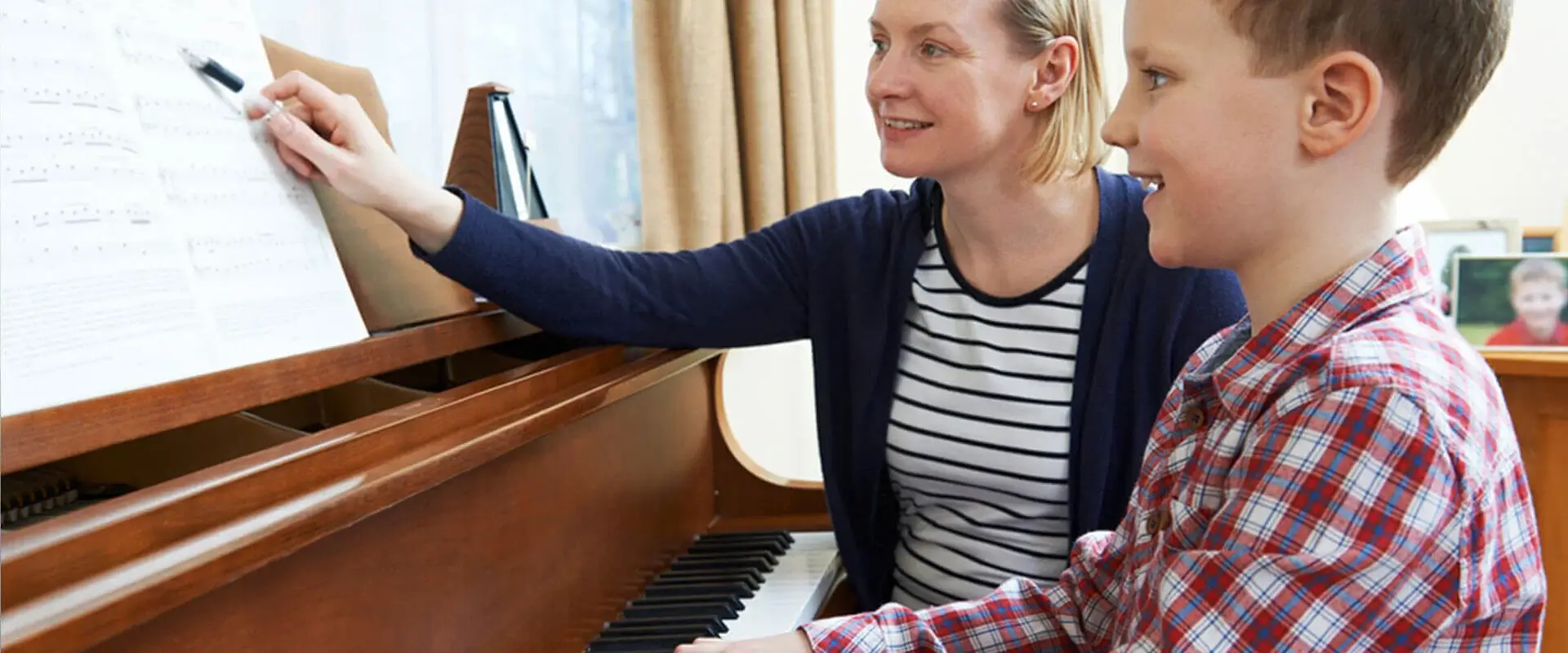
Here are just a few of the many teachers offering Piano lessons in East End . Whether you are looking for beginner guitar lessons for your kids, or are an adult wanting to improve your skills, the instructors in our network are ready to help you now!
Instruments: Piano Voice Violin Viola Trumpet Trombone Saxophone Flute Clarinet Drums Bass Guitar Recorder Euphonium French Horn Tuba Piccolo Mallet Percussion Orchestral Percussion Oboe Bassoon
This honsestly with the help and mentoring of my Professor Dr. Heizen, turned outto be the best learning expereince.During these years of study I was gigging and recording with everyone I could. I studied music theor/ compostiiton, guitar, and piano with several of the fine musicians I met along the way. Since then my on the job training has spread across all styles of music; rock, blues, jazz, fusion, theater, and playing with a number of big bands, including several years of touring. Read More
23 Years
Since We Started
41,456+
Happy Customers
10,769
Cities with Students
3,123
Teachers in Network
Trusted as the industry leader, for over 21 years the teachers in our network have been providing Piano lessons in East End to students of all ages and abilities.
We'll then reach out to the teachers for you.
Schedule the risk-free trial lesson directly with the teacher.
Continue with that teacher or try someone else.