
 703-348-8053



Musika Quick Stats
23 Years
Since We Started
41,456+
Happy Customers
10,769
Cities with Students
3,123
Teachers in Network
Lesson Special - Up to 20% OFF! Get Started Now with a Risk-Free Trial!
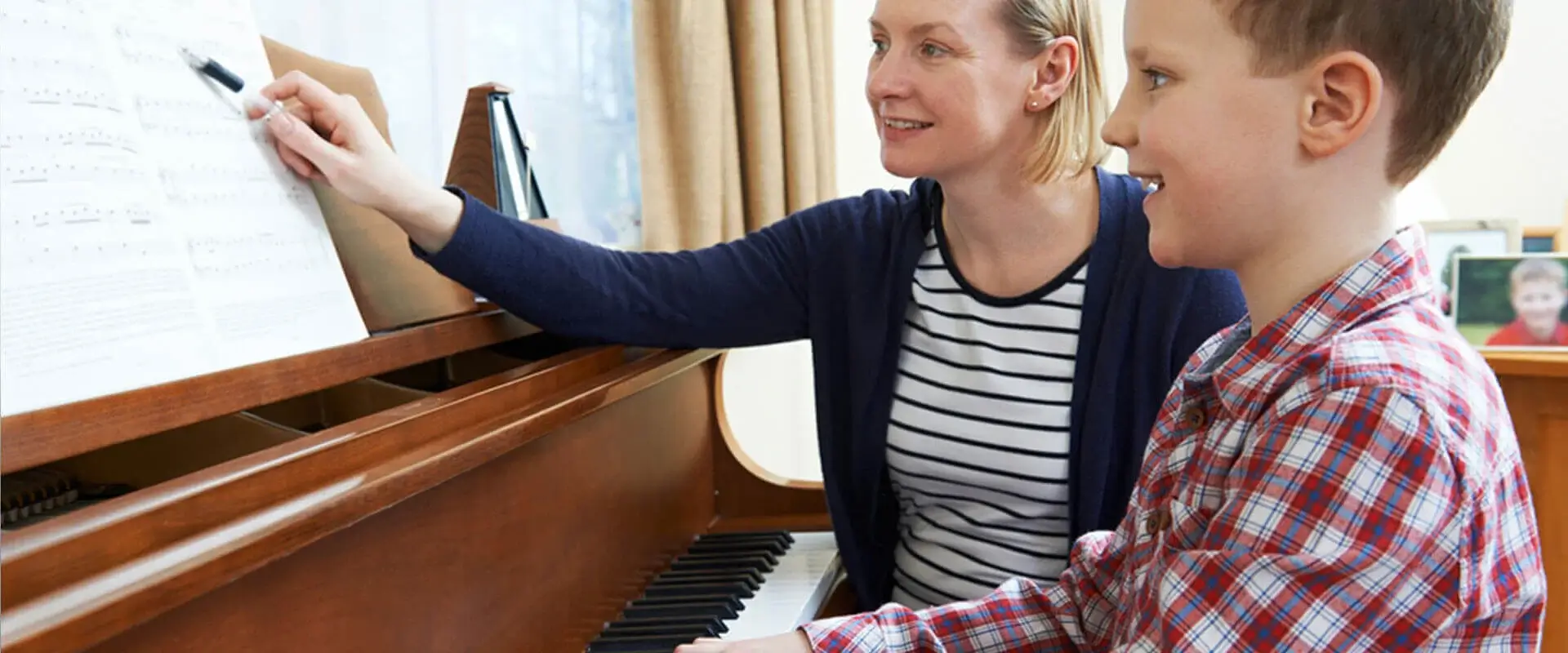
Here are just a few of the many teachers offering Piano lessons in Dumfries . Whether you are looking for beginner guitar lessons for your kids, or are an adult wanting to improve your skills, the instructors in our network are ready to help you now!
Instruments: Piano Cello Double Bass Keyboard
I am a professional classical bassist turned singer/songwriter - I also teach and play cello and general music. For over a decade I have performed with orchestras, chamber ensembles, bands, duets, trios, solo, etc... as well as teaching students of a variety of instruments and ages. Besides bass, I have taught piano, cello, pop vocals, ensemble skills, music theory, music production, and coached based on individual projects. I have played with the National Symphony at the Kennedy Center, in Russia, and at Carnegie Hall as a substitute musician as well as Quintango, a tango group based out of Alexandria, VA. Read More
Instruments: Piano
I have been teaching piano for 25 years, I have studied with Haynoosh Makarian and MR. Aslanian. mr Aslanian was a student of a student of Frantz Liszt and I am teaching with the same method. so, in three generations apart , we are related to great Frants Liszt. but I am a nice perso ! so I make the lessons fun and enjoyable for my students. you may call my students and ask them about my teaching. Read More
Instruments: Piano Violin
Teaching has always been a passion for me. I began teaching piano lessons when I was in 3rd grade and I start started teaching violin lessons after college. I earned my Bachelors degree in music education from Silla university in South Korea, but her love for music started as early as kindergarten on the piano. While in school, I won various piano competitions in South Korea and I performed for a wide range of audiences. Read More
Instruments: Piano Voice
If a teenager would like to learn how to play pop chords, I start them with an appropriate book. If an adult wants to learn pieces to sing in church, I will offer my skills as a classical singer and professional church choir section leader to teach them how to sing beautiful melodies and passionate contemporary songs. For all my students, I am always on the lookout for new method books and resources that will aid their studies. Read More
Instruments: Piano Trumpet Trombone Bass Guitar Synthesizer Euphonium Tuba Keyboard
I began teaching private lessons in college with a few students that went to the school and I fell in love with helping people reach their musical goals. With the 6 years of teaching experience I have realized that the skills you get from learning an instrument are more important than we think, it helps with problem solving and critical thinking. Also critical listening is the biggest skill that you will develop. Read More
23 Years
Since We Started
41,456+
Happy Customers
10,769
Cities with Students
3,123
Teachers in Network
Trusted as the industry leader, for over 21 years the teachers in our network have been providing Piano lessons in Dumfries to students of all ages and abilities.
We'll then reach out to the teachers for you.
Schedule the risk-free trial lesson directly with the teacher.
Continue with that teacher or try someone else.